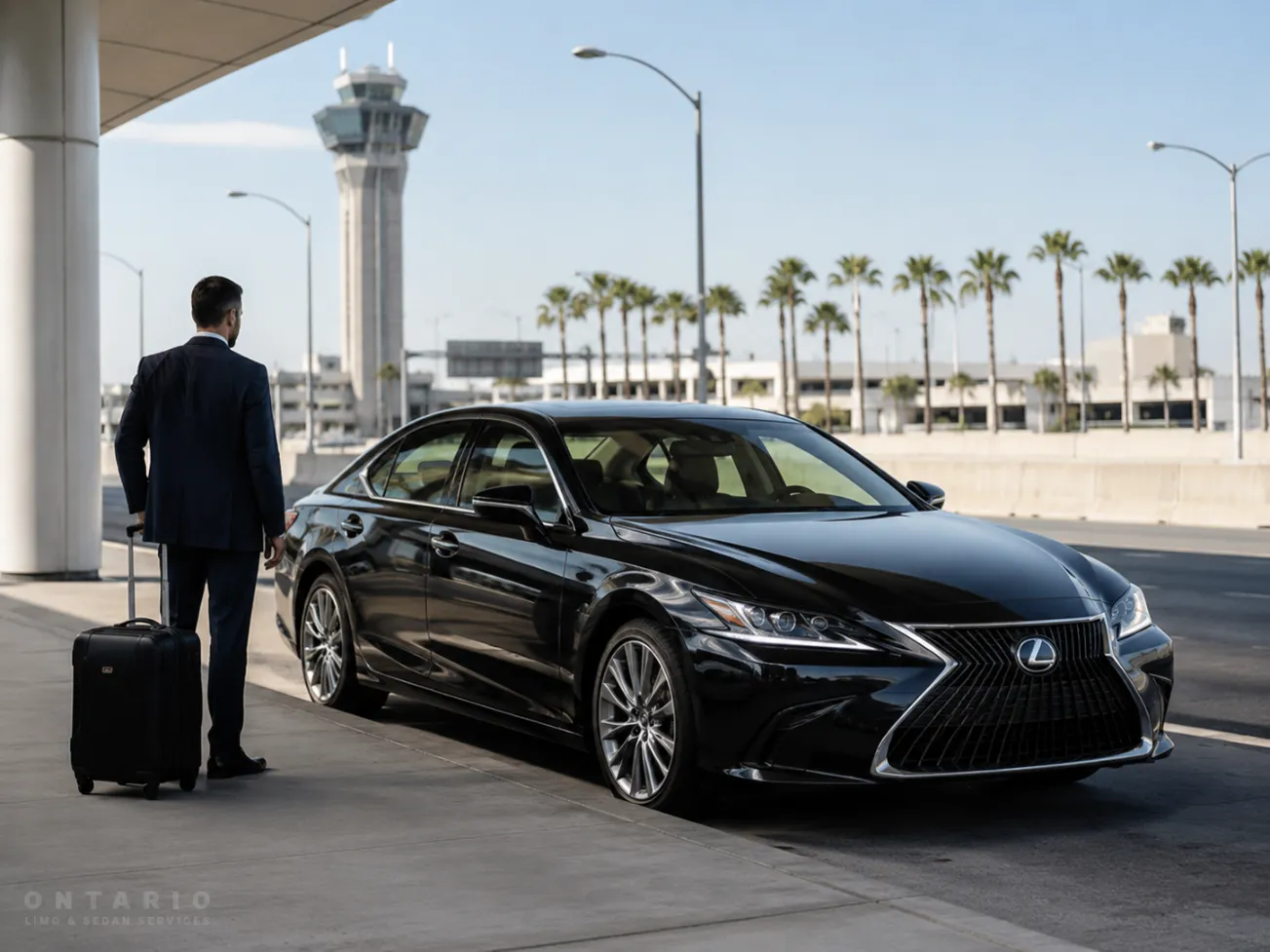

Author: Patrick

Premium Car Service Package 2026 Helpful Must-Haves

What Comes With Premium Car Service for Airport and Business Travel?

What’s Included in a Premium Car Service Package?

Premium car service package details matter more than many travelers realize. Two services can both sound upscale, but the actual experience may be very different once you look at what is included, what is optional, and what costs extra. That is why the smartest way to compare premium transportation is not to focus only on the vehicle photo or headline price. It is to understand the service structure behind the ride.

For some travelers, a premium package means a polished airport pickup with a clean sedan, a professional chauffeur, and clear communication. For others, it may mean a more complete reservation that includes return planning, wait time, luggage assistance, extra stops, or a vehicle selected for executive travel or a special occasion. The label sounds simple, but the contents can vary a lot from company to company.

This guide explains what a premium package usually includes, what may be available as an add-on, what often is not included in the base price, and when paying for a premium service package makes practical sense. The goal is not to present every package as equally valuable. The goal is to help travelers compare what they are actually getting before they book.

Quick answer

A premium car service package usually includes a reserved private vehicle, a professional chauffeur, trip confirmation, cleaner presentation, more consistent communication, and a higher level of support before and during the ride than a basic booking. In many cases, it also includes some combination of standard wait time, luggage assistance, airport coordination, bottled water, phone charging access, and a vehicle category chosen for comfort or business use rather than simple availability.

But premium does not always mean all-inclusive. Some things that travelers assume are included, such as tolls, airport parking, extra stops, extended wait time, child seats, or meet-and-greet service, may still cost extra or depend on the package tier. That is why it is important to ask what is actually covered rather than relying on the word premium alone.

The best way to think about it is simple. A premium package usually buys a more managed experience. It is not only about the car. It is about reducing friction around the trip.

Premium car service package: what the term usually means

In practical terms, a premium package usually means the service has been designed to feel more complete than a simple ride request. Instead of only promising transportation from one location to another, it often includes more planning, better vehicle standards, stronger communication, and a more polished customer experience.

That distinction matters because travelers use private car services for very different reasons. One person may need a straightforward airport pickup. Another may need transportation for a visiting executive. Another may be arranging a client ride, a date night, an anniversary, a hotel transfer, or a same-day business schedule with multiple stops. Those use cases do not require identical packages.

This is also why premium should not be confused with flashy. A premium package can be very understated. In fact, for executive and airport travel, the most useful premium features are often the least dramatic ones. A confirmed pickup. A clean sedan or SUV. A chauffeur who communicates clearly. Enough luggage space. A realistic wait policy. A quiet ride. Those things may matter more than decorative extras.

Many travelers who are comparing service styles will also find it useful to review related pages on chauffeur service in Ontario, executive transportation, and corporate transportation. Those categories often overlap with what customers mean when they ask for a premium package.

What is commonly included in a premium package

While package design varies by company, several features are commonly associated with a premium-level booking.

1. Prearranged reservation and trip confirmation

This is one of the most important inclusions. A premium ride is usually confirmed ahead of time with pickup details, time, destination, passenger count, and contact information. That sounds basic, but it is one of the main reasons premium service feels more reliable. The trip is being managed in advance instead of improvised in the moment.

2. A professional chauffeur

Most premium packages include a driver expected to deliver a more polished level of service. That usually means punctuality, professional presentation, calm communication, and a better understanding of how to handle scheduled private transportation. This is especially useful for airport pickups, corporate transportation, and guest-facing rides.

3. A cleaner, more controlled vehicle standard

A premium package usually means the vehicle quality is more predictable. That does not always mean the largest or most expensive vehicle. It often means a sedan or SUV that is clean, presentable, comfortable, and appropriate for the type of trip being booked. For many travelers, consistency matters more than spectacle.

4. Assistance with luggage and entry support

For airport and hotel transportation, luggage assistance is often part of the premium experience. This can make a noticeable difference for travelers arriving tired, carrying multiple bags, or coordinating a guest pickup. It is one of those details that seems small until the moment it becomes useful.

5. More structured communication

Premium packages often include better pre-trip and day-of-trip communication. That may involve reservation reminders, direct contact information, arrival updates, or clearer instructions about where pickup will happen. For customers who want less uncertainty, this is one of the most practical upgrades.

6. Airport-related coordination

If the trip involves an airport, premium service often includes a more organized approach to timing and pickup flow. That may mean better handling of arrival communication, clearer pickup instructions, or support for delays and timing adjustments. Travelers researching airport-specific rides may also want to review reliable airport limo service, booking an-airport-limo-service, and 24/7 transportation at Ontario Airport.

7. Comfort amenities

Many premium packages include small comfort features such as bottled water, a quiet cabin, phone charging access, or a better interior presentation. These are not always universal, but they are common enough that travelers often expect them. The key is to confirm rather than assume.

8. More privacy and a calmer ride experience

For many customers, premium service is not about luxury in the traditional sense. It is about having a quieter, more controlled ride. That can matter for executives taking calls, couples heading to an event, or travelers who simply want a smoother point-to-point experience.

9. Better vehicle matching for the trip

A premium package often gives more attention to fit. A sedan for one business traveler. An SUV for extra luggage or additional passengers. A more formal vehicle choice for an event. This kind of matching helps avoid the common mistake of booking the wrong vehicle for the actual trip.

What may be included only in higher tiers or add-ons

This is where travelers need to read carefully. Many features associated with premium transportation may be available, but not always included in the base premium package.

Meet-and-greet service

Some companies offer a true meet-and-greet where the passenger is greeted inside an airport or hotel arrival area rather than simply receiving curbside pickup instructions. This can be very useful for executives, elderly guests, or first-time visitors, but it may be priced separately because it can involve parking time and additional coordination.

Extended wait time

Many premium packages include a reasonable amount of standard wait time, but not unlimited waiting. If the traveler expects a long baggage delay, an uncertain medical discharge, or multiple schedule changes, additional wait charges may apply.

Multiple stops

A direct transfer and a multi-stop itinerary are not the same service. Some premium packages include one or two short stops. Others treat additional stops as a custom quote item. This matters for business travel, airport pickups with hotel stops, and family travel where more than one address is involved.

Hourly availability

Some premium bookings are point-to-point. Others can be upgraded to hourly service, which may be more appropriate for meetings, events, or same-day schedules with uncertain timing. If the vehicle needs to remain available rather than simply complete one trip, that should be clarified before booking.

Child seats or special requests

Travelers sometimes assume child seats, pet accommodations, or special access requests are automatically included once the service is labeled premium. That is not always the case. These requests often require advance notice and may or may not be built into the base package.

Return-trip coordination

Some packages are designed as one-way service only. Others are better suited for round-trip planning. If the traveler needs both legs coordinated, it is smart to confirm whether the premium package includes return scheduling or whether it is quoted separately. That is where a page like one-way or round-trip limo service becomes especially relevant.

What is often not included in the base price

One of the easiest ways to overspend on transportation is to assume the package is more inclusive than it really is. Premium service may still have boundaries.

Items that are often not fully included unless clearly stated can include:

  • Parking charges
  • Tolls
  • Airport fees
  • Gratuity
  • Extra passenger requests beyond the booked plan
  • Extended wait time
  • Overtime on hourly reservations
  • Additional stops
  • Holiday or overnight surcharges
  • Special event demand pricing

This is not a sign that the package is unfair. It simply reflects the difference between a base reservation and variable trip costs. A strong provider should be willing to explain which parts of the quote are fixed and which parts could change if the itinerary changes.

For travelers, this is often the most valuable question: “What is not included in this premium package?” That single question can reveal more than a long list of marketing features.

When a premium package is worth paying for

A premium package is usually most worth it when the trip involves timing pressure, guest experience, privacy, or a need for reduced hassle.

Common situations where it makes practical sense include:

  • Airport pickups and drop-offs
  • Executive and corporate transportation
  • Client or guest transportation
  • Hotel transfers
  • Date nights and anniversaries
  • Medical appointments where a calm, prearranged ride matters
  • Multi-stop days that need more structure than an ordinary ride request

In those situations, the value usually comes from predictability. The rider knows the trip is scheduled. The vehicle is chosen ahead of time. Communication is clearer. The service feels more deliberate. That often matters more than the visible luxury elements.

Premium service can also be worth it when the cost of inconvenience is high. If a missed pickup, late arrival, confusing airport handoff, or poor guest experience would create a bigger problem than the extra fare, the package often justifies itself.

When a basic point-to-point ride may be enough

Not every trip needs a premium package. In fact, some travelers spend more than necessary by booking a higher service tier for a ride that is actually very simple.

A basic ride may be enough when:

  • The trip is short and low-stakes
  • The passenger is familiar with the area
  • No airport coordination is involved
  • No guest, client, or executive impression matters
  • The route is fixed and simple
  • The traveler does not need assistance, wait time, or itinerary support

This is important because premium service creates the most value when it solves a real problem. If the trip does not involve uncertainty, timing pressure, or presentation needs, a more basic booking may be the smarter choice.

That does not make premium service unnecessary. It simply means service level should match trip purpose. The goal is fit, not excess.

How to compare packages before booking

If you want to compare premium options carefully, focus on the package structure instead of just the headline language.

Ask what vehicle category is included

A premium package should make the vehicle class clear. Sedan, SUV, executive sedan, luxury SUV, sprinter, or specialty vehicle can each mean something different for price and comfort.

Ask whether the price is point-to-point or hourly

This affects how extra time, additional stops, and changing itineraries are handled. A point-to-point package is ideal for direct trips. Hourly service is often better for meetings, events, and flexible schedules.

Ask what the standard wait time is

This matters especially for airports, hotels, events, and medical appointments. Knowing the included wait window helps you compare quotes more fairly.

Ask whether airport fees and parking are included

Travelers often assume these are built in. Sometimes they are. Sometimes they are not. This can materially change the total cost.

Ask what level of communication support is provided

The best premium packages often feel better because the communication is better. Ask how the rider receives instructions, what happens if timing changes, and who handles updates.

Ask what happens if the itinerary changes

A strong answer to this question usually indicates a well-managed service. A vague answer usually indicates risk.

Ontario Limo and Sedan Services is one local option travelers can evaluate across those criteria, along with its public profiles on Google Maps, Yelp, Facebook, and Instagram when comparing service presentation and customer-facing information.

Side-by-side comparison

CategoryBasic RidePremium Package
Reservation styleSimple trip bookingMore prearranged and more structured
Vehicle consistencyVaries moreUsually more controlled and presentable
CommunicationBasicUsually clearer and more proactive
Trip supportLimitedOften includes better coordination
Airport handlingMinimalOften more organized
AmenitiesMay be minimalOften includes more comfort features
Best forSimple low-stakes tripsAirport, executive, guest, event, and higher-friction trips
Main tradeoffLower cost, less structureHigher cost, more support and predictability

Takeaway

The most useful way to think about a premium car service package is this: it usually includes more trip management, more consistent presentation, and more support than a basic ride, but it is not always all-inclusive. Some features are standard. Others are optional. And some costs only appear when the itinerary changes or the trip becomes more complex.

That is why the smartest booking question is not simply “Do you have a premium package?” The better question is “What exactly is included in the premium car service package for my specific trip?” Once you ask that, it becomes much easier to compare value, avoid surprise charges, and choose the right level of service.

For airport transfers, executive travel, guest transportation, and any ride where reduced hassle matters, a premium package can be well worth the difference. For simple direct trips, a more basic option may be enough. The right answer depends on what the trip actually needs.

Frequently Asked Questions

Does a premium car service package always include a luxury vehicle?

Usually it includes a more controlled and comfortable vehicle category, but that does not always mean the biggest or flashiest vehicle. In many cases, a premium package simply means a cleaner, better-maintained sedan or SUV that suits business, airport, or private travel.

Is bottled water always included in a premium package?

Not always. Many providers offer small comfort amenities such as bottled water or charging access, but travelers should confirm instead of assuming. Amenities vary by company and package tier.

Does premium service include airport pickup help?

Often yes, especially in the form of clearer instructions, better timing coordination, and more organized communication. But details such as inside meet-and-greet service, parking-based greeting, or extended wait time may still depend on the package and the quote.

Are tolls and parking usually included?

Sometimes, but not always. These are common areas where travelers make assumptions that lead to unexpected charges. A good quote should explain whether those items are included or billed separately.

Is premium car service only for executives or special occasions?

No. It can be useful for airport transfers, hotel pickups, medical appointments, guests visiting from out of town, family rides where reduced hassle matters, and any trip where a more managed experience is worth paying for.

How do I know if a premium package is worth it for my trip?

Ask whether the trip involves timing pressure, guest experience, privacy needs, airport coordination, or multiple moving parts. If it does, a premium package often provides better value because it reduces friction. If the trip is very simple, a basic ride may be enough.

Premium Car Service Package 2026 Helpful Must-Haves
Business Travel Car Service Inland Empire Smart Reliable Checks 2026

What Is the Best Car Service for Inland Empire Business Trips?

Best Car Service for Business Travel in Inland Empire

Business travel car service Inland Empire bookings are usually about much more than getting from one address to another. For business travelers, the real priority is reducing friction. That means on-time pickups, clear communication, appropriate vehicles, easy airport coordination, and a service level that matches the purpose of the trip.

That matters because business transportation is rarely just transportation. A traveler may be heading from the airport to a client meeting, from a hotel to a conference, from an office to a corporate dinner, or from one city in the region to another on a tight schedule. In those cases, the best car service is not automatically the most luxurious one or the cheapest one. It is the one that makes the day easier to manage.

This guide explains how to compare business transportation options in a practical way. It covers when a reserved private sedan or SUV makes sense, when rideshare or rental cars may be enough, what business travelers should ask before booking, what affects price, and how to decide whether a service is actually set up for business travel instead of simply advertising itself that way.

Quick answer

The best car service for business travel in Inland Empire is usually a prearranged private sedan or SUV service when the trip involves airport transportation, client pickups, executive travel, multi-stop schedules, or any situation where timing and professionalism matter more than simply finding the lowest fare. That type of service is often the strongest fit because it combines trip planning, more consistent vehicle standards, and a lower-friction experience than purely on-demand transportation.

That does not mean every business trip needs a chauffeured sedan. Some trips are simple. A local employee heading to one informal stop may be fine with rideshare or even a rental car. But for tighter itineraries, airport arrivals, visiting executives, customer-facing travel, and same-day schedules with little room for confusion, a structured private car service is often the more practical choice.

The smartest way to choose is to match the transportation type to the stakes of the trip. Business travel is less about image than many people assume. In most cases, it is really about reliability, clarity, and protecting productive time.

Business travel car service Inland Empire: what matters most

Business travel in Inland Empire comes with its own transportation logic. The region covers a broad business area rather than one compact downtown core, so a traveler may be moving between airports, hotels, industrial districts, office parks, logistics facilities, healthcare sites, convention venues, and multiple cities in the same day. That spread changes what “good transportation” looks like.

In a region like this, the strongest service is usually the one that handles transition points well. Airport pickup should feel organized. Hotel departure should be on time. Multi-stop schedules should not feel chaotic. The vehicle should fit both the traveler and the purpose of the ride. Those details matter more than flashy branding.

That is why business transportation is often a fit question. One traveler may need a quiet sedan for a direct airport-to-office transfer. Another may need an SUV for luggage and presentation materials. Another may need hourly flexibility because meetings are likely to run long. The best provider is usually the one that can adapt the service model to the actual business day instead of trying to force every trip into the same template.

What “best” means in business transportation

When companies or travelers say they want the best car service, they often do not mean the fanciest vehicle. They usually mean a service that helps the day stay on track.

In practice, “best” often comes down to these factors:

  • On-time pickup and realistic scheduling
  • Professional communication before and during the trip
  • A clean, business-appropriate vehicle
  • Airport coordination and support for delays or arrival changes
  • Easy handling of multi-stop or return-trip itineraries
  • Consistent service quality across repeated bookings
  • Clear pricing and fewer surprises

This is also why many business travelers prefer understated transportation over attention-grabbing vehicles. For most business use cases, the goal is not to make an entrance. It is to arrive smoothly, on time, and ready to work. A well-run car service earns its value by making the trip feel easy.

That approach also helps companies avoid a common mistake. Sometimes a trip is overbooked with a premium vehicle that adds little practical value. Other times it is underbooked with a bare-bones ride for a situation that really needed more structure. The right service level is the one that fits the day, the passenger, and the consequences of delay.

Travelers comparing private transportation styles can also look at related service categories such as executive transportation, corporate transportation, and chauffeur service in Ontario to better understand the differences in tone and trip structure.

Common Inland Empire business travel scenarios

Business travel in this region often follows patterns that are different from casual local rides. Here are some of the most common scenarios where transportation choices really matter.

Airport to meeting or hotel

This is one of the most common use cases. A traveler lands, collects luggage, and needs to get directly to a hotel, office, meeting, or event. In that situation, the best ride is usually the one that has a clear pickup plan and does not require the traveler to troubleshoot logistics after landing.

Executive or client pickup

When a company is arranging transportation for a client, guest, executive, speaker, or partner, the ride becomes part of the visitor experience. The goal is usually professional handling, not extravagance. A clean sedan or SUV with a clear schedule often works better than something overly showy.

Multi-stop business day

Some business trips involve more than one destination. A traveler may go from airport to office, then to lunch, then to a plant visit, then to a hotel. In those cases, hourly service or a well-planned multiple-stop reservation may be more useful than separate ride requests throughout the day.

Conference or event transportation

Business event transportation often involves tighter timing, group movement, and return-trip planning. Depending on the itinerary, a private sedan, SUV, or larger group transport solution may be needed. The more complex the event schedule, the more valuable coordination becomes.

Same-day regional travel

Inland Empire business travelers may need to move between Ontario, Rancho Cucamonga, Riverside, San Bernardino, and surrounding areas within a single workday. That makes punctuality and route familiarity more important than they might be for a short urban trip.

When a private car service is the best fit

A reserved private car service is often the best choice when the business trip has timing pressure, client-facing importance, or enough complexity that the traveler should not have to manage every transportation detail personally.

It is especially useful when:

  • The trip starts or ends at the airport
  • The passenger is an executive, client, or important guest
  • The traveler needs a quiet, work-friendly ride
  • The itinerary includes multiple stops
  • There is little margin for a missed pickup or delay
  • The company wants a more consistent and predictable experience

Private car service can also be the better value when the real cost of disruption is high. For example, missing the start of a client meeting or leaving a visiting executive to sort out airport pickup alone may cost more than the fare difference between a basic ride and a reserved car service.

This is also where airport-related planning becomes important. If the trip connects to Ontario airport operations or another flight schedule, a more structured service is often easier to manage than relying on a purely reactive booking model. Related pages on 24/7 transportation at Ontario Airport, reliable airport limo service, and booking an airport limo service support that part of the decision.

When rideshare, shuttle, or rental may be enough

Not every business trip needs a private chauffeur or sedan service. In some cases, simpler transportation is completely reasonable and may even be the better decision.

Rideshare

Rideshare can work well for low-stakes trips, solo travelers, and local routes where timing flexibility is high. It may also be enough when the traveler is comfortable managing everything independently and the ride is not client-facing.

Rental car

A rental may make sense when the traveler needs full-day independence, expects many unscheduled stops, or plans to stay in the area for several days. But it also adds parking, navigation, fuel, and personal driving time, which can reduce the value for some business travelers.

Shuttle or shared transport

Shared options can be practical for budget-conscious internal travel or larger group movements, but they are usually less ideal for executive schedules, direct airport pickups, or trips where extra stops and waiting time would create problems.

The key point is that the right option depends on the trip. A private car service is not automatically better for every traveler. It simply becomes more useful as the consequences of delay, confusion, or inconsistency increase.

What to check before booking

If you are arranging transportation for yourself, a team member, or a guest, these are the most useful questions to ask.

What vehicle is being booked?

A sedan may be enough for one traveler with light luggage. An SUV may be more practical for multiple bags, a visiting executive, or a traveler carrying equipment or presentation materials. Vehicle fit matters more than vehicle hype.

Is the pricing point-to-point or hourly?

Point-to-point pricing is often best for simple direct routes. Hourly service may be better for multiple stops, uncertain meeting lengths, or return trips that may shift during the day.

How are delays handled?

This matters most for airport pickups and meeting schedules. A strong provider should be able to explain what happens if the traveler lands late, a meeting runs long, or the pickup time changes.

How much communication support is available?

Business transportation works better when the passenger or coordinator knows exactly who to contact. Clear communication can be as valuable as the ride itself on a tight itinerary.

Is the ride for a traveler or for a guest?

A traveler arranging their own ride may tolerate a little uncertainty. A company arranging pickup for a client or senior executive usually should not. The guest experience often changes what type of service is appropriate.

Will the trip repeat regularly?

For recurring travel, consistency can matter more than shaving a small amount off a single fare. A provider that handles repeat airport runs or business itineraries smoothly may create more value over time.

Pricing expectations and value

Business transportation pricing varies based on distance, time of day, airport handling, wait time, vehicle type, stop count, and booking structure. Because of that, broad online price comparisons are often misleading. Two rides can cover similar distance but involve very different levels of coordination.

That is why companies should compare total value, not just headline fare. A lower-priced ride may still be the more expensive choice if it creates delay, poor communication, extra waiting, or an awkward experience for a client or visiting executive.

Generally, point-to-point private car service makes the most sense when the itinerary is clear. Hourly service tends to make more sense when the schedule is fluid or the traveler needs the vehicle to remain available. Neither is universally better. The smarter option is the one that reflects how fixed the business day actually is.

It is also helpful to be honest about whether the ride needs to look premium or just work smoothly. Many business trips benefit more from a quiet, reliable sedan than from a vehicle chosen mainly for appearance. Value comes from fit, not excess.

Side-by-side comparison

OptionBest forMain tradeoff
RideshareSimple, low-stakes local business tripsLess consistency in vehicle, pickup flow, and presentation
Rental carMulti-day travel with many independent stopsTraveler handles driving, parking, fueling, and navigation
Shared shuttleBudget-sensitive group movementLess direct routing and less schedule control
Private sedan or SUV serviceAirport trips, executive travel, client pickups, multi-stop daysUsually higher fare than the most basic ride options

Best use cases for business travel car service

A business travel car service is often the strongest fit for these situations:

  • Airport arrivals where the traveler should not be left sorting out pickup logistics
  • Client or executive transportation where professionalism matters
  • Trips with multiple meetings or stops in one day
  • Schedules where a late pickup would cause a larger business problem
  • Travelers who need a quieter ride to prepare for meetings or calls
  • Companies that want a more consistent experience for repeat business travel

For these use cases, the best choice is usually not the flashiest vehicle. It is the service that reduces uncertainty and helps the traveler stay focused on the purpose of the trip.

Ontario Limo and Sedan Services is one local option businesses can evaluate, along with its public profiles on Google Maps, Yelp, Facebook, and Instagram when comparing public-facing service information and general customer presentation.

Takeaway

The best car service for business travel in Inland Empire is usually the one that protects time, fits the itinerary, and keeps transportation from becoming another problem to manage. For many airport transfers, executive pickups, and client-facing trips, that points to a prearranged sedan or SUV service with clear communication and a business-appropriate level of professionalism.

That does not mean every trip needs a reserved private car. Some low-stakes business travel can be handled perfectly well with rideshare or rental. But when timing, guest experience, airport flow, or multi-stop planning matters, business travel car service Inland Empire bookings often provide better value because they reduce uncertainty where it matters most.

The smart decision is not the most expensive one or the cheapest one. It is the one that matches the actual working day.

Frequently Asked Questions

What is the best car service for business travel in Inland Empire?

For many travelers, the best fit is a prearranged private sedan or SUV service, especially for airport transportation, executive pickups, client travel, and multi-stop itineraries. It usually offers more structure and consistency than purely on-demand transportation.

Is rideshare good enough for business travel?

Sometimes, yes. Rideshare can be enough for simple local trips with flexible timing and no client-facing component. It becomes less ideal when schedule control, airport coordination, or professional presentation matter more.

Should business travelers choose hourly or point-to-point service?

Point-to-point service usually works best for direct routes with fixed timing. Hourly service is often better when there are multiple stops, uncertain meeting lengths, or a need to keep the vehicle available throughout the day.

Is a sedan or SUV better for business transportation?

It depends on the trip. A sedan is often enough for one traveler with light luggage. An SUV may be a better fit for extra bags, presentation materials, airport runs, or situations where more space and comfort are useful.

When is a rental car a better choice?

A rental can be better when the traveler needs full independence over several days and expects many unscheduled stops. It may be less attractive when parking, navigation, driving fatigue, and airport pickup logistics would waste time or energy.

Why do companies use private car service for business guests?

Because it can create a smoother and more predictable arrival experience. A reserved service often reduces confusion, improves timing, and helps the guest move from airport or hotel to meeting with less friction.

Business Travel Car Service Inland Empire Smart Reliable Checks 2026
Car Service for Medical Appointments Ontario CA 2026 Reliable Service Tips

How to Choose a Car Service for Medical Appointments in Ontario, CA

Best Car Service for Medical Appointments and Hospital Runs

Car service for medical appointments Ontario CA travelers choose should be evaluated differently from airport rides, nights out, or ordinary point-to-point transportation. When a trip involves a clinic visit, hospital discharge, imaging appointment, follow-up consult, outpatient procedure, therapy session, or recurring hospital run, the best service is usually the one that is punctual, calm, easy to coordinate, and honest about what it can and cannot handle.

That last point matters most. A standard private sedan or SUV service can be very helpful for many non-emergency medical trips, but it is not the same thing as an ambulance, wheelchair van, litter van, or specialized non-emergency medical transportation program. The right choice depends on the rider’s actual condition, mobility level, supervision needs, and the facility’s discharge rules.

This guide explains how to choose carefully. It covers when a regular reserved car service may be a good fit, when a specialized medical transport option is the safer choice, how pricing and waiting usually work, what to ask before booking, and how to avoid the common mistake of choosing a vehicle that does not match the rider’s needs. The goal is not to oversell private transportation. It is to help families, caregivers, and patients make the right transportation decision for a non-emergency trip.

Quick answer

The best car service for medical appointments and hospital runs is usually a prearranged private sedan or SUV service when the trip is non-emergency, the rider can safely travel in an ordinary vehicle, and no wheelchair, stretcher, or medical monitoring is required. In those cases, a clean, punctual, professionally managed ride can be a practical solution for doctor visits, imaging, follow-up care, outpatient appointments, therapy, and some hospital discharge pickups.

But that is only true up to a point. If the passenger cannot safely use ordinary private transportation, needs wheelchair or litter transport, requires medically necessary ambulance service, or must comply with stricter discharge instructions after sedation, a regular town car or limo-style booking may not be enough. In those cases, specialized non-emergency medical transportation or ambulance transport is usually the better fit.

That is why the smartest first question is not “What is the nicest vehicle?” It is “What level of transportation does this patient actually need?” Once that is clear, choosing the best service becomes much easier.

Car service for medical appointments Ontario CA: what it should mean

When people search for transportation to a doctor or hospital, they often use very broad language. They may say hospital run, appointment ride, medical ride, or car service. In practice, those requests can describe very different situations.

One person may simply need a quiet, reliable ride to a specialist appointment. Another may need a discharge ride after outpatient testing. Another may be helping an older parent get to a routine follow-up visit. Another may be dealing with a patient who cannot transfer safely into a regular sedan at all.

That is why a useful local medical transportation article has to separate three different categories:

  • Standard private car service for non-emergency trips in a normal vehicle
  • Non-medical transportation or insurer-arranged transportation benefits for eligible patients
  • Specialized non-emergency medical transportation or ambulance-level transport when the patient cannot safely use an ordinary car

A lot of confusion happens because families use the word medical transportation for all three. They are not the same. A private chauffeur or sedan service can be excellent for many appointment trips, but it should not pretend to replace medically appropriate transport when the rider needs more than a normal seated ride.

That distinction is one reason it helps to think of the booking as a fit decision rather than a luxury decision. For many patients, the best ride is simply one that is dependable, calm, clean, and easy to coordinate. For others, the best ride is the one specifically built for a mobility or medical need.

What “best” means for medical appointments and hospital runs

For this type of trip, best usually means five things.

1. Reliable timing

Medical appointments are often less flexible than casual rides. Late arrival can mean delayed check-in, missed imaging windows, rescheduled consultations, or extra fatigue for the patient. A strong transportation option should be built around timely pickup and sensible planning.

2. Low-stress communication

Patients and caregivers do not want to troubleshoot transportation while managing paperwork, symptoms, parking confusion, discharge instructions, or anxiety about the visit itself. A good service should make communication simpler, not add another problem.

3. Appropriate vehicle fit

The right vehicle is the one the patient can safely get in and out of. Sometimes that is a normal sedan. Sometimes an SUV with slightly easier entry height is more practical. Sometimes neither is appropriate and a specialized medical transport option is required instead.

4. Honest limits

The best provider is not the one that says yes to everything. It is the one that clearly explains what it can handle and what requires a different transportation type. In medical transportation, honesty is part of safety.

5. Calm, professional service

For healthcare trips, the vehicle does not need to feel flashy. It needs to feel steady, respectful, and easy to use. Patients often care more about comfort, privacy, and predictability than appearance.

That is why many non-emergency medical trips are closer in spirit to chauffeur service in Ontario or simple private car service in Ontario than to celebration transportation. The useful value here is reliability and reduced stress, not showmanship.

When a private car service is a good fit

A reserved sedan or SUV can be a very good option when the trip is non-emergency and the passenger can ride safely in an ordinary vehicle. That usually means the person can sit upright, enter and exit with manageable assistance, and does not require a wheelchair vehicle, stretcher setup, or in-transit medical care.

Examples where private car service may work well include:

  • Primary care appointments
  • Specialist visits
  • Outpatient imaging
  • Lab work or testing
  • Physical therapy or follow-up care
  • Routine hospital or clinic visits
  • Some discharge rides when the facility approves ordinary vehicle transport

In those situations, the value of private car service is mostly practical. The passenger gets a confirmed ride, less parking stress, easier drop-off, and a calmer experience than self-driving may offer, especially if the rider is older, fatigued, uncomfortable, or simply better off not navigating traffic and parking.

It can also be useful for caregivers. Family members are often balancing work, childcare, or other responsibilities and cannot always drive every medical trip personally. A dependable prearranged car service can reduce scheduling pressure when the trip itself does not require specialized transport.

This is also where one-way and return planning matter. Some medical visits are quick and fixed. Others run long, involve waiting, or may end with additional instructions. In those situations, a page like one-way or round-trip limo service is relevant because flexible return planning can matter just as much as the initial pickup.

When specialized medical transport is the better choice

A regular sedan or SUV is not the right answer for every medical trip. That is especially true when the patient cannot safely use ordinary private transportation.

Specialized non-emergency medical transportation is usually the better fit when the patient needs:

  • Wheelchair-accessible transport
  • Litter or stretcher transport
  • Ambulance-level transport that is medically necessary
  • Clinical monitoring or transport that ordinary private vehicles are not equipped to provide
  • A transport mode specifically required by the insurer, hospital, or treating provider

This distinction is not just preference. It is built into how public programs and coverage rules describe the service types. California Medi-Cal materials distinguish non-emergency medical transportation from non-medical transportation, and CMS guidance also separates emergency transport from scheduled non-emergency transportation. If a patient cannot use ordinary private or public transportation safely, that is the point where families should stop thinking in terms of a normal car service and start asking the provider, hospital, or health plan about NEMT, wheelchair van, litter van, or medically necessary ambulance transport.

That is one of the most helpful questions you can ask before booking: “Can this patient safely ride in a normal sedan or SUV, or does the provider recommend a medical transport category?” That single question can prevent a bad fit.

Hospital discharge and outpatient procedure considerations

Hospital runs often sound simple until the actual discharge rules come into play. A patient may be medically stable enough to leave the facility, but still not be cleared to drive or leave alone after anesthesia, sedation, or certain medications. That creates an important distinction between transportation and escort responsibility.

In many cases, a private car service may still be perfectly appropriate for the ride itself. But if the facility requires a responsible adult to accompany the patient home, a hired driver alone may not satisfy that rule unless another adult is riding with the patient or meeting them appropriately at discharge. This is especially relevant for outpatient procedures, same-day surgeries, and some sedated appointments.

That means transportation planning should happen before the appointment day, not at the curb outside the facility. Ask the clinic or hospital discharge team questions such as:

  • Can the patient leave in a standard private car?
  • Does the patient need a wheelchair van, medical transport, or ambulance?
  • Is a responsible adult escort required after sedation or anesthesia?
  • Can the patient ride home with a driver only, or must a family member/caregiver be present?

Those details matter because the “best” transportation choice can change depending on the discharge instructions. A sedan may be medically appropriate for the ride but still not satisfy the facility’s escort policy if the patient is not supposed to go home unattended.

For some families, that means using both: a prearranged car service for the vehicle and a family member or caregiver as the required escort. For others, it means using a specialized medical transport program instead.

What to check before booking

Whether you are booking for yourself, a parent, a spouse, or a patient, these are the most useful things to confirm.

Can the passenger safely use a normal vehicle?

This is the first filter. If the answer is no, stop and ask about NEMT or ambulance transport instead of trying to force a sedan booking to work.

How much assistance is actually needed?

Some riders only need help with timing and curbside pickup. Others need arm support, a step-up height that is easier to manage, or a driver willing to move slowly and patiently. Know the practical need, and make sure the provider can accommodate it without crossing into services it is not qualified to provide.

What kind of wait time is likely?

Medical visits are famous for uncertain timing. Imaging can run late. discharge can take longer than expected. A good booking conversation should cover whether the return ride is fixed, on-call, or hourly and how waiting is billed.

Will the patient have a caregiver with them?

If the rider is weak, sedated, or anxious, having a caregiver present can change what type of transport is appropriate. It can also affect whether a regular private car is acceptable after a procedure.

What is the entry height and luggage or equipment situation?

A cane, walker that folds, overnight bag, discharge paperwork, or post-op supplies may influence whether a sedan or SUV works better. Bigger is not always better, but fit matters.

Is this one-way, round-trip, or open-ended?

Routine appointments may suit a one-way ride plus separate return booking. Other trips benefit from keeping the transportation plan flexible, especially when discharge timing is uncertain.

For families who simply want a private, low-stress ride without unnecessary theatrics, that is where straightforward chauffeur-style service can be more useful than traditional “special occasion” limo framing. The trip is about practicality and comfort, not display.

Pricing expectations and practical value

Medical appointment transportation pricing varies based on distance, time of day, wait time, route complexity, and vehicle type. There is no universal rate because a short office visit with immediate return is very different from a hospital discharge with uncertain timing or multiple pharmacy and home stops.

Private car service is often self-pay unless it is being arranged through a benefits program, insurer, or care system. That is why it is worth checking coverage before spending out of pocket. California Medi-Cal materials say eligible members may receive non-medical transportation by car, taxi, bus, or other public or private vehicle for covered services, while NEMT is the category used when a beneficiary cannot use ordinary public or private transportation. For some patients, that means a benefit may already exist through the plan rather than through a retail private car booking.

That said, a self-pay car service can still be the right practical choice when the patient does not qualify for insurer-arranged transportation, the family needs more predictable scheduling, or the trip is non-emergency and straightforward enough for a normal vehicle. In those cases, the value comes from reduced hassle, easier door-to-door planning, and the ability to avoid parking, long walks, or caregiver scheduling conflicts.

The fairest way to compare cost is not to ask only which ride is cheapest. Ask what happens if the patient is late, what the waiting policy is, whether return coordination is easy, and whether the passenger’s actual mobility needs are being met. The wrong transportation choice can be more expensive than the cheaper fare if it leads to confusion, delays, or rebooking.

Side-by-side comparison

OptionBest forLimitations
Private sedan or SUV serviceNon-emergency appointments, follow-ups, routine hospital visits, some discharge rides when ordinary vehicle transport is allowedNot appropriate if the patient cannot safely use a normal vehicle or needs medical transport features
Non-medical transportation benefitEligible patients whose plan covers rides by car, taxi, bus, or other ordinary vehicleAvailability and rules depend on plan eligibility, scheduling process, and covered services
Non-emergency medical transportationPatients who need ambulance, wheelchair van, or litter van because ordinary transportation is not appropriateRequires medical/plan criteria and is not the same as a standard hired car
Ambulance transportEmergency situations or medically necessary non-emergency cases where other transportation is contraindicatedHigher threshold, medically driven, not interchangeable with private car service

Who benefits most from this kind of service

A standard private car service for medical trips is often most useful for people who are medically stable but want a more manageable transportation experience. That may include:

  • Older adults who no longer want to drive to appointments
  • Patients going to routine follow-ups or outpatient visits
  • Families arranging transportation for a parent or relative
  • Patients who can ride normally but should avoid the stress of parking and long walks
  • Caregivers who cannot personally drive every appointment
  • Patients being discharged home in a normal vehicle with the facility’s approval

For these riders, the best outcome is usually not a flashy ride. It is a calm one. They want to get there on time, get home smoothly, and avoid turning a medical visit into a transportation problem.

Ontario Limo and Sedan Services is one local example families can evaluate for non-emergency private ride needs, along with its public profiles on Google Maps, Yelp, Facebook, and Instagram when comparing customer-facing information and general service professionalism.

Takeaway

The best car service for medical appointments and hospital runs is usually the one that matches the rider’s real transportation needs, not the one with the strongest marketing language. For many non-emergency trips, a prearranged sedan or SUV can be a very practical option. It can reduce stress, simplify logistics, and make routine healthcare travel easier for patients and families.

But the most important part of this topic is knowing the limits. Car service for medical appointments Ontario CA should only be used when the rider can safely travel in an ordinary vehicle and the provider or facility does not require a higher level of transport. If the patient needs wheelchair, litter, ambulance-level, or insurer-directed medical transport, that is a different category and should be treated that way.

When you match the vehicle, discharge requirements, mobility needs, and return-plan flexibility to the actual trip, the right choice usually becomes clear. That is what makes transportation genuinely helpful on a healthcare day.

Frequently Asked Questions

Is a regular car service okay for doctor appointments?

Often yes, if the appointment is non-emergency and the patient can safely ride in a normal vehicle. A prearranged sedan or SUV can work well for checkups, specialist visits, testing, therapy, and routine follow-ups. It is not the right fit if the patient needs wheelchair, litter, or medically supervised transport.

What is the difference between a private car service and non-emergency medical transportation?

A private car service uses an ordinary passenger vehicle for a prearranged ride. Non-emergency medical transportation is a separate category used when a patient cannot safely use ordinary private or public transportation and needs an ambulance, wheelchair van, or litter van. The difference is based on patient need, not just terminology.

Can I use a car service for a hospital discharge?

Sometimes, yes, but only if the hospital or clinic says the patient may leave in a standard vehicle. The facility may also require a responsible adult escort after sedation or anesthesia. That means a driver alone may not always satisfy the discharge rule, even if the vehicle itself is acceptable.

Will insurance or Medi-Cal pay for the ride?

In some cases, yes. Eligible Medi-Cal members may have transportation benefits, including non-medical transportation by ordinary vehicle or NEMT when ordinary transportation is not appropriate. Coverage depends on eligibility, the service involved, and plan rules, so patients should check with the plan before paying out of pocket.

Is a sedan or SUV better for medical appointments?

It depends on the rider. A sedan may be fine for many routine visits. An SUV may be easier for some passengers because of space, seat height, or room for a folding walker and caregiver items. The best vehicle is the one the patient can enter and exit safely and comfortably.

When should I choose ambulance transport instead?

Choose ambulance or specialized medical transport when the patient’s condition makes other transportation medically inappropriate or unsafe. That includes emergencies and some non-emergency situations where ordinary transport is contraindicated or the patient requires a transport type such as wheelchair van, litter van, or ambulance.

Car Service for Medical Appointments Ontario CA 2026 Reliable Service Tips
24/7 Chauffeur Service Ontario CA Smart Facts

Are Professional Chauffeur Services Available 24/7 in Ontario, CA?

Are Professional Chauffeur Services Available 24/7?

24/7 chauffeur service Ontario CA is a real thing in many cases, especially for airport transfers, early departures, late-night arrivals, executive travel, and prearranged rides that do not fit regular daytime schedules. The more important question is not whether 24/7 chauffeur service exists at all. The better question is what “24/7” actually means when you are booking private transportation.

Many travelers hear “available 24/7” and assume that means a chauffeur can instantly appear at any hour with no notice. That is not always how professional service works. In the private transportation world, overnight and after-hours service is often possible, but it is usually tied to advance scheduling, dispatch availability, vehicle assignment, and whether the company is structured for airport and time-sensitive trips.

This matters because private chauffeur service is different from casual curbside transportation. A professionally run service is usually more organized, more deliberate, and more dependent on prearranged booking details. That is often a benefit, not a limitation, because it creates a clearer trip plan and reduces confusion during very early or very late travel windows.

This guide explains when professional chauffeur services are commonly available around the clock, what riders should expect from true 24/7 service, when overnight service makes the most sense, what can affect pricing, and how to tell whether a company is genuinely prepared for after-hours transportation or just using “24/7” as a marketing phrase.

Quick answer

Yes, professional chauffeur services are often available 24/7, especially when the company handles airport transportation, executive travel, and prearranged private rides. But in most cases, 24/7 availability does not mean unlimited instant service with zero planning. It usually means the company can schedule pickups at any hour, maintain dispatch or communication support for off-hours trips, and operate around flight schedules or business travel needs.

That distinction matters because professional chauffeur transportation is built around structure. The service is often stronger precisely because the ride is confirmed, assigned, and managed in advance. A serious company may absolutely offer pickups at 3:30 a.m. or 11:45 p.m., but it will usually do so through a prearranged system rather than a purely spontaneous curbside model.

So the honest answer is yes, often, but with an important qualifier. Availability depends on the company’s operating model, staffing, coverage area, and whether the trip is being scheduled the way professional private transportation is meant to be scheduled.

24/7 chauffeur service Ontario CA: what that usually means

In real-world booking terms, 24/7 chauffeur service usually means the company accepts and fulfills transportation reservations for any hour of the day or night, not that every vehicle is idling nearby waiting for an immediate request. For example, a service may routinely handle pre-dawn airport drop-offs, midnight pickups, delayed arrivals, overnight corporate trips, and early morning hotel transfers while still relying on advance booking and dispatch coordination.

That is why travelers should be careful about assuming “open 24/7” and “chauffeur available instantly 24/7” are the same thing. They are not always identical. A professional provider may be reachable at all hours for ongoing trips and scheduled reservations, yet still prefer advance notice for new overnight bookings. That is normal and usually a sign of a more controlled operation rather than a weaker one.

In private transportation, the service quality often improves when the company knows the trip details ahead of time. That is especially true for airport work, where pickup timing, passenger count, luggage needs, and destination all matter. A well-managed 24/7 chauffeur operation usually treats late-night and early-morning transportation as a scheduling and logistics job, not a guessing game.

This is one reason the phrase 24/7 transportation at Ontario Airport is meaningful. Airport-related travel does not neatly fit a daytime schedule, so transportation providers that support those routes often build their operations around off-hours demand.

Why travelers need chauffeur service outside normal business hours

Professional chauffeur demand does not stop when offices close. In fact, some of the most important transportation needs happen before dawn, after midnight, or during hours when ordinary travel options feel less predictable.

Common examples include:

  • Airport drop-offs for very early departures
  • Late-night airport arrivals
  • Corporate travelers catching first flights out
  • Executives arriving after delayed itineraries
  • Hotel pickups for business guests landing at irregular times
  • Special event transportation ending well after dinner hours
  • Return rides from conferences, galas, or private functions

This is especially relevant in Southern California travel patterns. A traveler may need to leave for the airport long before sunrise to avoid schedule risk. Another may land late and prefer not to sort out transportation after a tiring day. In those situations, the value of chauffeur service is not only the ride itself. It is the confidence that someone is already assigned to the trip and knows the plan.

That makes 24/7 availability especially attractive for airport, business, and executive transportation. Related guides on reliable airport limo service, booking an airport limo service, and corporate transportation all connect to the same idea: when the trip matters, structure matters.

How round-the-clock chauffeur availability usually works

A true round-the-clock service model usually depends on three things: prearranged booking, communication support, and driver scheduling. The customer may only see the final vehicle arrival, but the reliability of that arrival usually depends on work happening behind the scenes.

Prearranged booking

Professional chauffeur service is often strongest when booked ahead. That gives the company time to assign a chauffeur, match the right vehicle, note special instructions, and confirm pickup logistics. In California private transportation, prearranged operation is not just a service preference. It is part of how many passenger carriers are expected to operate.

Dispatch or support availability

A company that truly handles overnight and early-hour service usually has some way to manage communication outside normal office hours. That does not always mean a large call center. It may mean an active dispatcher, trip monitoring process, or a structured communication workflow that keeps airport and overnight reservations running smoothly.

Driver scheduling

No professional operation can ignore driver rest and operating limits. That is why real 24/7 availability usually comes from rotation, planning, and company structure, not from expecting one person to drive indefinitely. This is another reason advance scheduling often produces a better result than last-minute improvisation.

The key point is simple: professional chauffeur services can absolutely cover all hours, but doing that well requires organization. The most dependable overnight service is usually the one built around planning, not spontaneity.

What to expect from a true after-hours chauffeur service

If a company genuinely offers around-the-clock service, the customer experience should still feel professional at off-hours, not improvised or half-supported.

A strong after-hours chauffeur experience often includes:

  • Reservation confirmation before the trip
  • Clear pickup instructions
  • Communication if the timing changes
  • A vehicle appropriate for the passenger count and luggage
  • A chauffeur who arrives prepared and aware of the trip details
  • Support for airport timing and late arrivals when relevant

In other words, the service should still feel like professional transportation at 2 a.m., not like a regular ride that happens to be available late. The standard should remain consistent even when the hour is not convenient.

This is one reason many travelers prefer a chauffeured option for early and late trips instead of hoping on-demand availability will line up exactly when needed. They are not necessarily looking for something extravagant. They are looking for fewer variables.

If the trip is especially time-sensitive, such as a very early flight, many travelers also prefer a chauffeured sedan or SUV because it gives them a clear plan before they go to sleep. That peace of mind can be worth more than the ride difference itself.

For broader private-car context, pages covering chauffeur service in Ontario and executive transportation also help explain why structured service matters even more when the clock is working against the traveler.

Why not every “24/7” claim means the same thing

This is where many customers get tripped up. Two companies may both advertise 24/7 service, but their actual meaning can differ a lot.

One company may mean:

  • Trips can be booked for any hour with advance notice
  • Airport pickups are monitored late into the night
  • Dispatch support exists for active reservations
  • The fleet is organized around scheduled round-the-clock service

Another company may mean:

  • The website is always online
  • Messages can be submitted anytime
  • Late-night service may be possible but not guaranteed
  • Response quality depends on who is available at the time

Neither approach is automatically dishonest, but they are not the same level of operational readiness. That is why travelers should not rely on the phrase alone. Ask how late-night bookings are handled, whether same-day overnight requests are accepted, and what happens if a flight lands late or a pickup time changes.

The companies that handle 24/7 transportation well are usually the ones that can explain the process clearly. If the answer is vague, the service may also be vague.

Pricing expectations and after-hours considerations

Professional chauffeur service outside standard business hours may cost the same as daytime transportation in some situations, but after-hours pricing differences are also common. That depends on the company, the vehicle, the booking window, and the nature of the trip.

Factors that may affect price include:

  • Very early morning or late-night pickup times
  • Airport wait coordination
  • Vehicle type
  • Distance and route complexity
  • Stop count or additional waiting time
  • Holiday demand or event demand
  • How far in advance the trip is booked

That does not mean overnight chauffeur service is always expensive. In some cases, a point-to-point early airport drop-off may be straightforward and priced similarly to other reserved rides. In other cases, a complex after-midnight pickup with long wait time, extra stops, or premium vehicle requests may cost more.

The best question is not “Do you charge extra because it is late?” The better question is “What is included, and what could change the quote?” That helps travelers compare service value more fairly.

It is also worth remembering that the cheapest visible option is not always the lowest-cost decision if it creates uncertainty. Missing a flight, struggling through an unclear pickup, or leaving an executive guest without a reliable late-night ride can easily cost more than the fare difference.

When 24/7 chauffeur service is worth booking

Round-the-clock chauffeur service is usually worth considering when the trip has real timing pressure, image importance, or comfort value.

Common situations where it makes sense include:

  • Pre-dawn airport departures
  • Late-night airport pickups
  • Executive or client transportation
  • Hotel transportation for business guests
  • Special events ending after regular transportation feels less predictable
  • Travel for older family members or guests unfamiliar with the area

It may be less necessary when the trip is low-stakes, easily flexible, and the passenger is comfortable managing the ride independently. In those cases, a simpler option may be enough.

So the value test is practical. If the cost of inconvenience is higher than the cost of scheduling professional transportation, a 24/7 chauffeur service often becomes the smarter decision. If the trip is casual and timing is flexible, the extra structure may not be necessary.

This also connects naturally to one-way or round-trip limo service. The more legs, timing windows, and return coordination a trip includes, the more useful structured service tends to become.

Side-by-side comparison

QuestionBasic Ride OptionProfessional 24/7 Chauffeur Service
Availability at odd hoursMay depend heavily on moment-to-moment driver supplyOften available through advance scheduling and dispatch planning
Best forLow-stakes, flexible tripsAirport, executive, guest, and time-sensitive transportation
Trip coordinationUsually limitedTypically stronger and more deliberate
Vehicle consistencyVariesUsually more controlled
CommunicationCan vary trip to tripOften clearer for scheduled reservations
Main tradeoffLower structureHigher structure, sometimes higher cost

How to verify real 24/7 availability before booking

If you want to know whether a chauffeur company is truly prepared for overnight transportation, ask practical questions instead of relying on slogans.

  • Can I schedule a pickup for any hour, including early morning or after midnight?
  • How much advance notice do you recommend for overnight rides?
  • How do you handle delayed flights or changing arrival times?
  • Is there communication support for active reservations outside office hours?
  • Are there extra charges for after-hours service, wait time, or holiday periods?
  • What vehicle options are available for my trip type and luggage needs?

Clear answers usually indicate a real operating process. Vague answers usually signal risk.

Ontario Limo and Sedan Services is one local example of a company travelers can evaluate for after-hours transportation by comparing its website information with public profiles on Google Maps, Yelp, Facebook, and Instagram before booking.

Takeaway

Yes, professional chauffeur services are often available 24/7, but the strongest round-the-clock service usually depends on advance booking, clear communication, and a company that is genuinely set up to handle after-hours transportation. That is especially true for airport transfers, executive rides, and trips where timing matters.

The smartest way to approach 24/7 chauffeur service Ontario CA is not to assume that every company defines availability the same way. Ask how the service works, how overnight trips are scheduled, and what support exists when plans change. Those answers tell you much more than a homepage promise does.

When the trip is important enough that uncertainty would create a bigger problem, professionally arranged after-hours transportation can be well worth it. The real benefit is not just getting a ride at an unusual hour. It is knowing the plan is already in place.

Frequently Asked Questions

Are chauffeur services really available 24 hours a day?

Often, yes, especially for airport transportation and prearranged private car service. But availability usually means trips can be scheduled for any hour, not that every company offers unlimited instant response for unscheduled requests. Advance booking is often the key difference.

Can I book a chauffeur for a 4 a.m. airport drop-off?

Yes, many professional services handle very early airport transportation. In fact, airport-focused companies are some of the most likely to support those hours because flight schedules frequently require pre-dawn pickups. It is still smart to reserve ahead of time so the trip is confirmed properly.

Do professional chauffeur services charge more at night?

Sometimes. It depends on the provider, the vehicle type, the timing, and the complexity of the trip. A simple late ride may not cost dramatically more, while a holiday, long wait, or highly customized after-hours booking may affect the total.

Is 24/7 chauffeur service the same as on-demand rideshare?

No. A professional chauffeur service is usually more structured and more likely to rely on advance scheduling, confirmed trip details, and dedicated coordination. Rideshare availability often depends more on who happens to be nearby at the moment.

What kinds of trips most often use 24/7 chauffeur service?

Airport transfers, executive transportation, hotel pickups, client travel, special events ending late, and early-morning departures are among the most common use cases. These are all situations where timing and reliability tend to matter more than spontaneous convenience.

How do I know if a company truly offers 24/7 service?

Ask specific questions about overnight booking, dispatch support, flight delays, communication, and pricing. A company that can explain its after-hours process clearly is usually more dependable than one that only repeats “24/7” without details.

24/7 Chauffeur Service Ontario CA Smart Facts
Limo vs Town Car Service

What Is the Difference Between Limo Service and Town Car Service?

How to Choose Between Limo and Town Car Service

Limo vs town car service is not just a style question. For most travelers, it is really a decision about the kind of experience they want, the purpose of the trip, how formal the ride should feel, and whether they need a larger statement vehicle or a more understated private car.

People often assume the difference is simple. A limo is for luxury. A town car is for regular transportation. In practice, the decision is more nuanced than that. A limousine may be the better fit for weddings, celebrations, group occasions, and events where arrival matters. A town car style service may be the better choice for airport transfers, executive transportation, corporate travel, date nights, and situations where comfort and professionalism matter more than visual impact.

This guide breaks down the choice in practical terms so you can match the service to the trip. Instead of relying on labels alone, it explains how to compare vehicle size, passenger comfort, trip type, luggage needs, privacy, pricing expectations, tone of service, and overall value. The goal is not to push one option as better for everyone. The goal is to help you book the one that makes the most sense for the actual ride.

Quick answer

If your trip calls for a polished but understated private ride, town car service is often the better choice. If the trip is more formal, celebratory, group-oriented, or built around the arrival experience itself, a limousine may be the better fit.

That is the simplest way to think about it. A town car style service usually works best when you want comfort, privacy, business-appropriate presentation, and a smooth ride without drawing too much attention. A limo service usually makes more sense when the vehicle is part of the event, when more passengers are involved, or when the experience is meant to feel more distinctive from the start.

Neither option is automatically better. The right answer depends on what the ride is for, who is riding, how much space is needed, how formal you want the experience to feel, and whether the budget should go toward practicality or occasion-driven presentation.

What people usually mean by limo and town car service

In everyday booking language, people usually use limo service to mean a more formal chauffeured ride, often associated with stretch limousines, larger luxury vehicles, special occasions, or any premium transportation experience where the vehicle itself plays a visible role in the trip.

By contrast, town car service usually refers to a more understated black-car or luxury sedan style experience. Even when the actual vehicle is no longer literally a Lincoln Town Car, many people still use the phrase to describe a private sedan-based service that feels professional, comfortable, quiet, and less showy than a classic limousine. In real bookings today, that usually means a clean executive sedan or similar private car rather than a stretch vehicle.

This is why the terms overlap but are not identical. Both can be chauffeured. Both can be private. Both can be comfortable. The difference is usually in the presentation, vehicle category, and tone of the ride. One tends to emphasize statement and occasion. The other tends to emphasize discretion and practicality.

That distinction helps explain why many travelers book a town car for airport transportation or corporate appointments but choose a limo for weddings, proms, milestone birthdays, and nights out where the vehicle is meant to contribute to the event atmosphere.

How to choose between limo and town car service

The best way to compare these options is not to ask which one sounds more premium. Ask which one matches the actual job the vehicle needs to do.

Start with these five questions:

  • Is the ride mainly practical, or is it part of an event experience?
  • How many passengers and how much luggage are involved?
  • Do you want a subtle business-style arrival or a more formal statement?
  • Will the ride include multiple stops, waiting time, or special coordination?
  • Is the budget better spent on image, space, or simple comfort?

If the trip is mainly about getting somewhere comfortably and professionally, town car service is often enough and sometimes better. If the ride is part of the experience itself, a limousine may be worth the added cost and attention.

The most common booking mistake is choosing based only on appearance. A stretch limo may look exciting online but be unnecessary for a quiet airport run or executive transfer. On the other hand, a sedan may be too understated for a wedding party, anniversary surprise, or a group celebrating together before the event even starts.

Matching the ride to the real use case is what creates value. That is the heart of the limo vs town car service decision.

Choose based on the purpose of the trip

The reason for the ride is usually the single most important factor.

Airport transportation

For airport pickups and drop-offs, town car service is often the stronger fit. Most airport travelers care about on-time arrival, luggage space, driver communication, and a quiet, comfortable ride. In that context, understated professionalism often matters more than a dramatic vehicle entrance. If you are comparing airport-focused options, related guides on reliable airport limo service and booking an airport limo service can help frame the decision.

Corporate and executive travel

Town car service often works well for business use because it feels polished without being too theatrical. For meetings, client pickups, executive appointments, legal consultations, hotel transfers, and office-to-airport routes, a sedan or similar executive vehicle usually communicates professionalism more naturally than a stretch limousine. This is why business travelers often lean toward executive transportation or corporate transportation style services.

Weddings, proms, and celebrations

This is where limo service often makes more sense. For milestone occasions, the ride is part of the memory. The group may want extra seating, a more event-oriented atmosphere, and a vehicle that clearly feels different from daily transportation. In those situations, the visual presence of a limousine can contribute to the day in a way a town car may not.

Date nights and evenings out

Either one can work. A town car is often the better fit for couples who want privacy, comfort, and a smoother upscale ride without making the trip feel overly formal. A limo may be better for birthdays, group nights out, or any plan where the transportation itself is meant to feel festive.

Family transportation and guest pickups

Town car service is often the better fit for parents, relatives, or visiting guests who simply need a comfortable and clearly managed ride. A limo usually only makes sense here if the occasion is special or the group is large enough to justify the extra room and presentation.

Vehicle feel, appearance, and passenger experience

One of the clearest differences between the two is the mood of the ride.

A town car style service usually feels private, quiet, composed, and efficient. It is often the option people choose when they want premium transportation without turning the vehicle into the center of attention. That makes it especially appealing for business travelers, airport riders, and couples who prefer a more restrained luxury experience.

A limo service usually feels more event-driven. It can create a stronger sense of arrival, more interior space in some configurations, and a more obvious break from ordinary transportation. That can be a real advantage when the goal is to mark an occasion or transport a small group together in a way that feels memorable.

There is also a branding element to consider. If the passenger is a client or executive, understated professionalism often works better than spectacle. If the ride is for a celebration, the opposite may be true. The best choice is often about tone, not just comfort.

This is also why many companies keep their transportation language separate. A service page for chauffeur service in Ontario may emphasize polished, dependable transport, while a limo-focused page may naturally speak more to events, celebrations, or premium visual impact.

Passenger count and luggage

You should also choose based on who is riding and what they are bringing.

For one or two passengers with standard luggage, a town car style ride is often enough. It gives the travelers comfort without wasting space or budget. For solo executives or couples, it is often the most efficient premium option.

For larger groups, extra bags, event attire, or situations where people want to ride together, a limousine may have the advantage. The added space can improve the experience if it actually solves a logistics problem. That is especially relevant for wedding parties, prom groups, or nights out where separating into multiple vehicles would reduce convenience and change the feel of the outing.

Still, bigger is not always better. A larger vehicle only makes sense if the trip truly requires it. Booking a limo for two travelers with light luggage on a straightforward daytime transfer may add cost without adding much practical value. In contrast, booking a sedan for a special event with several passengers may create unnecessary limitations.

The smart move is to think in terms of fit rather than status. Ask how many people are riding, what they are bringing, how long the trip is, and whether the group wants to experience the trip together. Those answers often resolve the choice quickly.

Pricing expectations and value

In most cases, limo service costs more than town car service, but the important question is why. Usually, you are paying for some combination of vehicle size, occasion-driven presentation, service time, fleet category, passenger capacity, and the fact that the vehicle is part of the experience rather than just the transportation.

Town car service often represents a more efficient value when the ride is straightforward. You still get privacy, comfort, and a professionally managed trip, but without paying for a larger or more event-oriented vehicle than you actually need.

That does not mean town car service is always the bargain choice or that limo service is always overpriced. A limo can be the better value when the group size is larger, when multiple passengers would otherwise need multiple cars, or when the event itself calls for a more memorable arrival. Conversely, a town car can be the better value when the trip is mainly about smooth logistics and quiet comfort.

Pricing also changes based on time of day, trip length, stop count, waiting time, vehicle category, and whether the booking is point-to-point or hourly. For that reason, travelers should be careful about broad online numbers. A quote only becomes meaningful once the service details are clear.

The best pricing question is not, “Which one is cheaper?” It is, “Which one gives me the right level of service for this specific trip?” That question usually leads to better choices.

Pros and cons of each option

OptionProsCons
Town car serviceUnderstated, professional, comfortable, usually better for airport and business travel, often more cost-efficient for small groupsLess dramatic for celebrations, less group-oriented in many cases, may feel too subtle for milestone occasions
Limo serviceMore formal arrival, stronger event feel, better for celebrations and some group trips, can create a more memorable experienceUsually costs more, can be unnecessary for simple transfers, may feel too formal for some corporate or low-key trips

This is why the comparison should never stop at luxury level alone. A ride can be more luxurious in appearance but less practical for the job. The best transportation decision is usually the one with the fewest mismatches between vehicle, passenger, and trip purpose.

When each one is usually the better fit

Town car service is often the better fit when:

  • You need airport transportation for one or two passengers
  • You are booking for an executive, client, or business colleague
  • You want comfort and privacy without attracting much attention
  • You prefer a more efficient premium ride over an event-style vehicle
  • The trip is practical first and visual second

Limo service is often the better fit when:

  • The vehicle is part of the celebration
  • You want a more formal arrival for a special occasion
  • You are moving a group together and want one shared ride
  • The tone of the trip is festive, memorable, or ceremony-driven
  • The event justifies a stronger visual statement

There are also gray areas where either can work. A couple celebrating an anniversary may be perfectly happy in a town car if they want a quiet upscale evening. Another couple may prefer a limousine because they want the night to feel more ceremonial. A corporate guest heading to a gala may use a sedan for airport arrival and a limousine for the evening event itself. The right answer can change within the same itinerary.

That is why it helps to think beyond labels and focus on trip segments. Ask whether each ride needs discretion, image, passenger space, or event energy. Once you define that clearly, choosing becomes much easier.

Ontario Limo and Sedan Services is one local example of a company that can be evaluated across both service styles, with public profiles on Google Maps, Yelp, Facebook, and Instagram if you want to compare service presentation, customer-facing information, and overall fit before booking.

Takeaway

The simplest way to think about limo vs town car service is this: choose a town car when you want understated comfort, privacy, and professional transportation, and choose a limo when the ride is part of the occasion and a more formal or group-oriented experience makes sense.

For airport runs, business travel, client pickups, and many date nights, a town car style service is often the smarter fit. For weddings, celebrations, milestone events, and outings where the vehicle should feel like part of the event itself, a limousine can be the better choice.

When you evaluate the trip purpose, passenger count, luggage, tone, and budget together, the limo vs town car service decision becomes much easier. The best choice is the one that fits the ride instead of forcing the ride to fit the vehicle.

Frequently Asked Questions

Is a town car the same as a limousine?

Not usually in everyday booking language. Both can be private chauffeured services, but a town car usually refers to a more understated sedan-style ride, while limousine service more often implies a more formal or occasion-oriented vehicle experience. In modern use, the terms can overlap, but they still suggest different tones and use cases.

Which is better for airport transportation, a limo or a town car?

For most solo travelers, couples, and business passengers, town car service is often the better fit for airport transportation. It usually provides the right balance of comfort, privacy, professionalism, and practicality without paying for a larger statement vehicle that may not be necessary.

Which is better for corporate transportation?

Town car service is often better for corporate transportation because it feels polished and professional without appearing overly theatrical. It generally fits meetings, executive travel, client pickups, and office transfers more naturally than a stretch limousine.

When should I choose a limo instead of a town car?

Choose a limo when the vehicle is part of the experience. That usually includes weddings, proms, anniversaries, birthdays, nights out, and group events where the arrival matters and the extra space or formality adds value.

Is limo service always more expensive than town car service?

Often, yes, but not always in a way that makes one option inherently better. The higher cost usually reflects the vehicle category, presentation, space, and event-oriented nature of the service. Whether it is worth it depends on the purpose of the ride.

Can a town car still feel luxurious?

Yes. Many travelers prefer town car style service precisely because it feels upscale without being flashy. It can offer a smooth, quiet, premium ride that works especially well for airport, executive, and private point-to-point transportation.

Limo vs Town Car Service
Best Airport Chauffeur Service Inland Empire

Best Chauffeur Service for Airport Pickups in Inland Empire

Best Chauffeur Service for Airport Pickups in Inland Empire

Best airport chauffeur service Inland Empire searches usually start with one practical question: what actually makes an airport pickup smooth, reliable, and worth paying for? The answer is rarely just the vehicle. For most travelers, the real difference comes down to timing, communication, airport pickup planning, luggage handling, local knowledge, and how well the service responds when flights or schedules change.

That matters because airport pickups are one of the easiest transportation tasks to underestimate. On paper, it looks simple. Someone lands, someone gets picked up, the ride ends. In real life, airport pickups involve arrival windows, traffic flow, terminal confusion, baggage delays, curbside rules, wait coordination, and the pressure of meeting a traveler who may be tired, rushed, or unfamiliar with the area.

If you are trying to choose the best chauffeur service for airport pickups in Inland Empire, the smartest approach is not to look for the fanciest-looking option. It is to look for the service model that reduces friction. A good airport chauffeur service should make the arrival feel organized, not improvised.

This guide explains what to compare, when a chauffeur service is worth it, when a simpler option may be enough, what affects price, and how to judge real value without relying on marketing language alone.

Quick answer

The best chauffeur service for airport pickups in Inland Empire is usually a prearranged private sedan or SUV service that combines clear communication, dependable timing, professional presentation, and a pickup process built around airport realities. That includes tracking the trip, knowing where the passenger should be met, handling delays professionally, and matching the vehicle to the traveler’s luggage and comfort needs.

That does not mean the most expensive option is automatically the best one. It means the strongest service is the one least likely to create confusion at the exact moment the traveler wants clarity. For airport pickups, reliability and process usually matter more than luxury language.

What “best” really means for airport pickups

When people use the word best, they often mean premium. In airport transportation, that can be misleading. A polished vehicle is helpful, but it is not enough by itself. The best service is the one that performs well when real travel problems appear.

For airport pickups, that usually means:

  • Prearranged booking with confirmed details
  • Accurate pickup timing based on the actual flight and not just the scheduled landing time
  • Fast communication if the traveler arrives early, late, or at a different terminal flow point
  • A vehicle that fits the passenger count and luggage load
  • A driver or chauffeur who understands airport pickup etiquette
  • A calmer, more predictable experience for the arriving passenger

The best airport chauffeur service is usually the one that makes the handoff easy. If the traveler lands after a long flight, they should not be forced to figure out a confusing pickup on their own, bounce between calls and texts, or wonder whether the driver knows where to go.

This is especially important for business travelers, older passengers, families with bags, first-time visitors, and anyone arriving on a tight schedule. A smooth pickup saves more than time. It lowers cognitive load at the exact moment people are least interested in solving transportation problems.

Why airport pickups are different from ordinary rides

An ordinary local ride is usually straightforward. The pickup address is fixed, the passenger is already standing nearby, and the trip begins almost immediately. Airport pickups are different because the arrival is fluid. The flight can land on time but the passenger may still be delayed by taxiing, deplaning, baggage claim, or restroom and phone-stop time. In other words, the aircraft arrival is not the same thing as passenger-ready time.

That is why airport transportation works best when the service is built around transitions rather than assumptions. A good chauffeur service understands that the ride begins before the traveler gets in the car. It begins with planning.

Airport pickups also create image considerations that do not exist on casual rides. If the passenger is a client, executive, family guest, or colleague flying in for an important visit, the pickup becomes part of the arrival experience. The transportation does not need to feel flashy, but it should feel organized and professional.

That is one reason many travelers choose a chauffeur model instead of relying entirely on a last-minute option. They are not necessarily paying for status. They are paying for less uncertainty.

Travelers comparing local airport-related options may also find these internal guides useful: reliable airport limo service, booking an airport limo service, 24/7 transportation at Ontario Airport, and Uber vs. limo service to the airport.

Best airport chauffeur service Inland Empire: what to look for

If you are comparing providers, these are the things that actually matter.

1. Prearranged confirmation

A strong airport chauffeur service should be comfortable confirming the reservation in advance with the traveler name, pickup airport, airline or flight details if relevant, destination, contact number, passenger count, and luggage expectations. If the booking feels vague before the trip, that usually does not improve after landing.

2. Clear airport pickup instructions

Passengers should know what happens after they land. Will they receive a message when the vehicle is ready? Should they head to baggage claim first? Will the chauffeur meet them curbside or communicate by phone upon arrival? The best services remove ambiguity early.

3. Communication that does not disappear

Airport pickups rarely fail because the car cannot drive. They fail because communication breaks down. The best providers make it easy for the passenger to understand where to go, what to expect, and who to contact if something changes.

4. Local airport familiarity

Airport pickup service is stronger when the provider understands the airports commonly used by Inland Empire travelers and guests. That includes knowing how pickup areas work, how to handle waiting time, and how to reduce confusion around crowded arrival periods.

5. Luggage and vehicle fit

A sedan may be perfect for one business traveler with a carry-on. The same vehicle may be wrong for two adults with checked luggage, golf bags, presentation materials, or family travel gear. The best service is not the largest vehicle by default. It is the right-sized vehicle for the trip.

6. Professional tone without unnecessary stiffness

Airport travelers usually want professionalism, not performance. A great chauffeur should communicate clearly, help when needed, respect privacy, and keep the process calm. That matters far more than scripted luxury language.

7. Flexibility when travel changes

Delays, gate changes, and late exits happen. The best airport chauffeur service Inland Empire travelers choose is usually the one that can adapt without turning every small change into a problem.

For travelers who want a broader view of trip types beyond airport service, these related pages on chauffeur service in Ontario, executive transportation, corporate transportation, and limo service in Ontario, CA add helpful context.

Choosing the right vehicle and service level

One of the easiest mistakes travelers make is choosing based only on appearance. The best airport pickup vehicle is the one that suits the actual use case.

Sedan

A sedan often works well for solo business travelers, couples, or light luggage loads. It is usually the most efficient choice when the goal is a clean, comfortable, professional ride without excess size.

SUV

An SUV is often better when luggage is heavier, the group is slightly larger, or extra personal space matters. It can also make sense when picking up executives, families, or travelers arriving after a long-haul itinerary who may want a more spacious ride.

Hourly versus direct pickup

Some trips only need a point-to-point airport pickup. Others benefit from hourly flexibility, especially if there are multiple stops, uncertain timing, or a return segment that may need adjustment. The best fit depends on how fixed the itinerary really is.

Travelers should also think about who the passenger is. Picking up a client from the airport is different from arranging a ride for a college student, a relative, or a coworker who knows the region well. One trip may only require transportation. Another may require a more polished arrival.

When rideshare or a basic driver may be enough

Not every airport pickup needs a chauffeur. Sometimes a simpler option is the smarter choice.

A regular ride may be enough when:

  • The passenger is traveling light
  • The airport is familiar to them
  • Timing is flexible
  • No client impression is involved
  • The traveler is comfortable coordinating pickup details on their own

That does not make chauffeur service unnecessary in general. It simply means the level of structure should match the stakes of the trip. If a small delay or a little pickup confusion would not matter, a simpler ride may be completely reasonable.

Where chauffeur service usually becomes more valuable is when the cost of inconvenience is higher than the cost of the ride difference. That includes executive arrivals, business travel, late-night pickups, elderly passengers, multiple bags, family airport runs, or any trip where the arriving passenger should not have to troubleshoot the process.

A useful mindset is this: if the passenger can comfortably manage the ride themselves, simpler transportation may be enough. If you want to reduce uncertainty for them, chauffeur service becomes easier to justify.

Pricing expectations and disclaimers

Airport chauffeur pricing varies based on airport, time of day, trip distance, route complexity, vehicle type, waiting policy, and whether the service is point-to-point or hourly. Because of that, broad online price claims are usually incomplete. They can provide a starting point, but not a final number.

Travelers should ask what is included. For example:

  • Is the quoted rate point-to-point or hourly?
  • Is standard wait time included?
  • Are airport fees, tolls, or parking handled separately?
  • Does the rate change if the traveler has additional stops?
  • Is there a difference between sedan and SUV pricing?

It is also important to compare price against consequence. The cheapest option is not always the lowest-cost option if it creates delay, confusion, or a poor arrival experience for someone important. For airport pickups, value often comes from predictability, not just the fare itself.

At the same time, not every trip needs premium service. If the trip is low stakes, it is fine to choose a simpler option. A good transportation decision is one where the service level matches the importance of the arrival.

Side-by-side comparison

CategoryBasic Ride OptionAirport Chauffeur Service
Booking styleOften immediate or on-demandUsually prearranged with confirmed details
Pickup processCan vary by driver and airport flowMore structured and clearly communicated
Vehicle consistencyVaries trip to tripUsually more controlled
Best forFlexible, low-stakes arrivalsBusiness, family, client, and time-sensitive pickups
Luggage supportVariesGenerally stronger expectation of assistance
Professional presentationNot guaranteedUsually part of the service standard
PricingOften lower upfrontUsually higher, but more managed
Main tradeoffLess structureHigher cost for lower friction

Who benefits most from chauffeur airport pickups

Airport chauffeur service is often the strongest choice for:

  • Corporate travelers with meetings shortly after arrival
  • Clients, executives, and VIP guests
  • Families traveling with multiple bags
  • Older passengers who benefit from a smoother handoff
  • Visitors unfamiliar with Inland Empire airport routes
  • Travelers arriving late at night or during busy airport periods

In those situations, the best service is not necessarily the one that looks most luxurious online. It is the one most likely to deliver a calm, clear, professional arrival experience from terminal to destination.

Ontario Limo and Sedan Services is one local option travelers can evaluate alongside its public profiles on Google Maps, Yelp, Facebook, and Instagram if they want to compare customer-facing details and service information before booking.

Takeaway

The best chauffeur service for airport pickups in Inland Empire is usually the one that combines prearranged planning, strong communication, airport familiarity, and the right vehicle for the traveler’s actual needs. That is what separates a smooth pickup from a stressful one.

For casual, flexible arrivals, a basic ride may be enough. For business travel, executive pickups, family airport runs, or any situation where reliability matters more, a structured chauffeur service often provides better value because it reduces uncertainty at the exact moment the traveler wants the least friction.

When comparing providers, look past appearance and focus on process. The best airport chauffeur service Inland Empire travelers choose is usually the one that makes the pickup feel simple, even when airport logistics are not.

Frequently Asked Questions

What makes an airport chauffeur service better than a regular driver?

Usually it is not just the driving. A chauffeur service is typically more structured around the trip itself. That includes prearranged confirmation, better communication, a more polished vehicle, and clearer handling of airport pickup logistics. For simple trips that may not matter much. For airport arrivals, it often matters a lot.

Is a chauffeur worth it for Ontario airport pickup?

Often yes, especially when timing, luggage, professionalism, or guest experience matters. If the traveler is arriving after a long flight, carrying bags, or heading directly to a meeting, a prearranged chauffeur service can be worth the added cost. For flexible solo travel, a simpler ride may still be enough.

Should I book a sedan or SUV for an airport pickup?

Choose based on passenger count and luggage, not just appearance. A sedan is often enough for one traveler or a couple with light baggage. An SUV makes more sense when there are more bags, more passengers, or a stronger preference for extra room and comfort.

Do airport chauffeur services track flights?

Many professionally run services do, or at minimum they plan around real arrival timing and communication. Travelers should still confirm how the company handles delays, early arrivals, and passenger-ready time because every provider’s process is different.

Is chauffeur service only for executives or luxury travelers?

No. It is common for executives, but it can also make sense for families, elderly passengers, guests unfamiliar with the airport, travelers with heavy luggage, or anyone who wants a smoother and less stressful arrival. The better question is whether the trip benefits from more structure and support.

How should I compare airport pickup companies before booking?

Ask about vehicle type, pickup instructions, waiting policy, communication process, airport experience, and pricing structure. Those details tell you much more than broad promises on a homepage. A reliable process is usually a stronger sign than flashy branding.

Best Airport Chauffeur Service Inland Empire
Corporate Car Service Inland Empire Best Things to Check 2026

Best Car Service for Corporate Transportation in Inland Empire

Best Car Service for Corporate Transportation in Inland Empire

Corporate car service Inland Empire bookings are not all the same. Some are built for simple point-to-point rides. Others are designed for executives, clients, airport transfers, site visits, meetings, and multi-stop schedules where timing, presentation, and consistency matter more than getting the lowest possible fare.

If you are trying to decide what the best car service is for corporate transportation in Inland Empire, the right answer usually depends on the trip itself. A business traveler flying in for one meeting may need something different from a team attending a conference, a law firm sending a client to a deposition, or an executive assistant arranging airport pickup for a visiting board member.

This guide is written to help you compare options in a practical way. Instead of pushing one type of service as the answer for every situation, it breaks down what actually matters: reliability, driver professionalism, vehicle standards, booking support, route planning, airport coordination, flexibility, and total value. That makes it easier to choose the right service level for the job instead of paying for extras you do not need or underbooking a trip that requires more structure.

Quick answer

The best car service for corporate transportation in Inland Empire is usually a prearranged private sedan or SUV service with professional chauffeurs, clear booking support, dependable scheduling, and vehicles appropriate for business use. That does not mean it is always the most expensive option. It means it is often the option that balances punctuality, image, comfort, and trip management better than a basic on-demand ride.

For low-stakes local rides, a regular app-based ride may be enough. For airport transfers, executive pickups, client transportation, multi-stop schedules, or trips where delays would create larger problems, a structured corporate car service is often the better fit. In those situations, what you are really paying for is less uncertainty.

What “best” really means in business transportation

When people ask for the best car service, they often mean the nicest vehicle. In real business travel, that is only part of the equation. The better question is which service performs best under business conditions.

That usually includes the following:

  • On-time pickup and dependable communication
  • Professional drivers who understand business etiquette
  • Clean sedans or SUVs suitable for executives, clients, and colleagues
  • Support for airport timing, schedule changes, and return coordination
  • Clear pricing structure before the trip starts
  • Consistent service rather than random trip-to-trip variation
  • Enough flexibility for multiple stops, waiting, or route adjustments

For a company, “best” often means lowest friction. The ride should not become another task the traveler has to manage. A solid corporate transportation setup reduces confusion, shortens handoff time, and protects the schedule. That is especially important when the passenger is a client, executive, attorney, physician, consultant, sales representative, or any employee whose time has a direct business cost.

This is why corporate travel decisions are usually about risk management more than luxury. The right service is the one least likely to create avoidable problems.

Main types of corporate transportation options

There are several ways to handle business transportation in the region. Each has a place. The mistake is assuming they all deliver the same experience.

1. App-based rideshare

Rideshare is convenient for simple trips and quick booking. It can work well when timing is flexible, the passenger is familiar with the area, and the company does not need a polished arrival experience. The downside is inconsistency. Vehicle type, driver presentation, airport pickup flow, and availability can vary.

2. Taxi service

Taxis can still be useful in certain locations, especially when immediate transportation is needed. For corporate use, though, they are often chosen less frequently than prearranged services because they usually provide less trip customization and a less curated business experience.

3. Shuttle or shared transportation

Shared transportation may reduce cost per passenger, but it can add wait time, extra stops, and less control over the schedule. For conferences, employee group moves, or budget-sensitive internal travel, that can be acceptable. For executive or client-facing trips, it often is not ideal.

4. Rental car

A rental makes sense when the traveler needs independence for a full day or multi-day itinerary. But it also adds navigation, parking, fueling, pickup lines, and personal driving fatigue. In some cases, the cheaper-looking choice becomes less attractive once time and hassle are factored in.

5. Prearranged private sedan or SUV service

This is often the strongest fit for corporate transportation. A prearranged private car service is usually built around scheduled pickup, cleaner presentation, better communication, and a more predictable experience. This is commonly the category business travelers mean when they ask for corporate car service.

If you are comparing service styles locally, these related pages on executive transportation, corporate transportation, and chauffeur service in Ontario are useful supporting references.

Why corporate car service Inland Empire demand is different

The Inland Empire creates a slightly different transportation decision than some other Southern California markets. Trips are often longer, meeting points can be more spread out, and business travel may involve multiple cities in one day. A traveler could be flying into Ontario, meeting in Rancho Cucamonga, heading to Riverside, stopping in San Bernardino County, then returning for an evening departure or hotel drop-off.

That kind of geography rewards planning. When a region covers multiple business zones, industrial corridors, logistics hubs, office districts, and airport routes, the best service is usually the one that can manage movement smoothly rather than simply respond to a ride request in the moment.

For that reason, the best corporate car service in Inland Empire is usually one that understands all of the following:

  • Airport pickup coordination
  • Travel between Riverside and San Bernardino County business areas
  • Early morning departures and after-hours arrivals
  • Meeting schedules that do not always run on time
  • How to handle multi-stop business travel without confusion
  • The difference between employee transport and client-facing transport

That does not automatically eliminate other options. It simply means regional business travel benefits more from planning than many short urban rides do.

What to check before booking

If you want to choose carefully, these are the most useful things to confirm before you reserve anything.

Vehicle type

Ask whether the trip will be handled by a sedan, full-size SUV, sprinter, or another vehicle category. The best answer depends on passenger count, luggage, weather, and how formal the trip is. For one executive heading to a meeting, a sedan may be enough. For a client with luggage or a small team, an SUV may be the better choice.

Prearranged scheduling

A strong corporate provider should be comfortable confirming the trip ahead of time with clear pickup instructions, contact details, timing, and route notes. The more important the trip, the more useful that structure becomes.

Driver professionalism

For business travel, professionalism is not just about wearing a suit. It includes punctuality, communication, discretion, calm problem-solving, and knowing how to handle a traveler who may be working on the phone or preparing for a meeting.

Airport process

If the trip involves Ontario International Airport or another airport transfer, ask how delays, early arrivals, and meeting points are handled. Airport transportation needs more coordination than a basic curbside pickup.

Billing clarity

Corporate transportation can be billed point-to-point or hourly. Neither is inherently better. The right model depends on whether the itinerary is fixed, whether waiting is involved, and whether there may be additional stops.

Support when plans change

Business schedules change. Flights move. Meetings run long. Guests appear late. Ask how changes are handled. A service that is easy to work with during changes is usually worth more than one with a lower headline price but poor flexibility.

Travelers weighing airport-specific planning may also want to review reliable airport limo service, booking an airport limo service, and 24/7 transportation at Ontario Airport.

Airport and regional travel considerations

Corporate transportation in this market often centers on airport access. That is one reason service quality matters. Airport trips create the kinds of problems that expose weak transportation arrangements quickly. Pickup timing, terminal confusion, baggage delays, traffic, and return coordination all matter more than they do on a casual local ride.

For many business travelers, the decision is not “Should I pay more for a nicer car?” The decision is “Which option is least likely to disrupt my day?”

A structured car service is often strongest in these situations:

  • Early departures where being late could mean missing a flight
  • Late arrivals where the traveler wants a clear pickup plan
  • Executive guests who should not be left figuring out curb logistics
  • Travelers carrying presentation materials, samples, or multiple bags
  • Trips that continue directly from the airport to a meeting or office

Not every airport ride requires that level of service. If the traveler is experienced, lightly packed, and flexible, a simpler ride option may work. But if the arrival is important enough that you would rather remove variables, prearranged service often becomes the better business decision.

That is also where the comparison with rideshare becomes more nuanced. A guide like Uber vs. limo service to the airport can help frame the tradeoff. One option may look cheaper at the booking screen, but the actual value depends on how much uncertainty the company is willing to tolerate.

Pricing expectations and disclaimers

There is no universal corporate transportation price because rates change based on time, mileage, demand, airport fees, wait time, stop count, vehicle size, and booking structure. Any number you see online should be treated as directional, not guaranteed, until the service details are confirmed.

That said, the cheapest option is not always the lowest-cost decision. A ride that looks less expensive can become more costly when it causes delay, confusion, missed time, or a poor client experience. In business transportation, cost should be measured against risk, not just fare.

Generally, private sedan or SUV service tends to cost more than casual on-demand transportation because it includes more than the drive itself. The rate may reflect advance scheduling, driver reservation, commercial operating overhead, airport handling, dispatch support, and service consistency.

Hourly service can make sense when:

  • The itinerary may change
  • There are multiple meetings or stops
  • The passenger needs the vehicle to remain available
  • Waiting time is expected

Point-to-point pricing often makes sense when:

  • The route is simple and fixed
  • The pickup and drop-off are clearly defined
  • No waiting or return hold is needed
  • The company wants straightforward trip billing

A smart booking question is not “What is your cheapest rate?” It is “What is included, and what could change the total?” That question usually leads to better decisions.

Pros and cons of each option

OptionProsCons
RideshareFast booking, widely available, may cost less for simple tripsInconsistent vehicle quality, less structure, weaker client-facing presentation
TaxiImmediate transportation in some areasLess tailored for business travel, fewer service layers
Shared shuttleLower per-passenger cost, practical for some groupsExtra stops, less schedule control, not ideal for executives
Rental carFull independence for travelerParking, navigation, pickup lines, self-driving fatigue
Private sedan or SUV serviceProfessional, reliable, more polished, better for schedules and guestsUsually higher price than the most basic ride options

Which service fits which business scenario

Here is the simplest way to match the transportation type to the actual need.

Use rideshare when:

  • The trip is low stakes
  • The traveler is comfortable handling details alone
  • No client impression is involved
  • A little inconsistency would not matter much

Use rental when:

  • The traveler needs all-day independence
  • There are many unscheduled stops
  • Parking and navigation will not be a major burden

Use private corporate car service when:

  • The rider is an executive, client, guest, or senior employee
  • The schedule matters
  • The company wants a cleaner and more predictable experience
  • Airport pickup needs to be coordinated properly
  • The trip includes multiple stops or a return segment
  • The company values professionalism and reduced friction

That is why, for many businesses, the best car service for corporate transportation in Inland Empire is not the flashiest choice. It is the one that delivers consistency with the least amount of operational drama.

Ontario Limo and Sedan Services is one local example of a provider built around those use cases, with public profiles on Google Maps, Yelp, Facebook, and Instagram for travelers who want to compare business information and customer-facing presence before booking.

Takeaway

The best car service for corporate transportation in Inland Empire is usually the one that protects time, reduces uncertainty, and fits the purpose of the trip. For many business situations, that points to a prearranged private sedan or SUV service rather than a purely on-demand ride.

That does not mean every business traveler needs premium transportation. Some trips are simple and can be handled with simpler options. But when timing, professionalism, airport coordination, client impression, or executive comfort matters, a structured corporate car service usually provides better value than the cheapest ride on the screen.

If you evaluate vehicle fit, booking process, professionalism, airport handling, pricing clarity, and flexibility, the right choice usually becomes clear. That is the smartest way to choose transportation in a region where business travel often crosses cities, airports, and tight schedules in the same day.

Frequently Asked Questions

What is the best vehicle type for corporate transportation?

It depends on the passenger count and purpose. A sedan is often enough for one traveler with light luggage. An SUV may be a better fit for airport runs, executive travel, or client pickups where comfort and extra space matter. The best vehicle is the one that matches the schedule and business context without being unnecessarily large or costly.

Is rideshare good enough for corporate travel?

Sometimes, yes. For simple local trips with flexible timing, rideshare may be enough. For airport pickups, client-facing travel, executive transportation, and multi-stop business schedules, a prearranged corporate car service is often more dependable and easier to manage.

Should a company choose hourly or point-to-point pricing?

Point-to-point pricing usually works best for fixed routes with no waiting. Hourly service is often better when there are multiple stops, uncertain meeting lengths, or a need to keep the vehicle available throughout the trip. The right option depends on how predictable the itinerary is.

Why do companies use chauffeured sedan service instead of rental cars?

Because rental cars shift the work to the traveler. The traveler must pick up the car, navigate, park, refuel, and manage delays personally. A chauffeured sedan service can reduce stress and save productive time, especially when the traveler is preparing for meetings or moving directly between business commitments.

Is private car service only for executives?

No. It is common for executives, but it can also make sense for employees, visiting clients, legal or medical professionals, interview candidates, team members attending events, and guests unfamiliar with the region. The better question is whether the trip benefits from more structure and reliability.

What should I ask before booking corporate transportation in Inland Empire?

Ask what vehicle is included, whether the ride is prearranged, how delays are handled, whether pricing is hourly or point-to-point, what happens if plans change, and how airport pickups work. Those answers tell you more about service quality than branding language alone.

Corporate Car Service Inland Empire Best Things to Check 2026
Chauffeur vs Regular Driver in Ontario CA 2026 Smart Facts

Is a Chauffeur Worth It for Airport and Business Travel?

What’s the Difference Between a Chauffeur and a Regular Driver?

Chauffeur vs regular driver is not just a wording question. For most travelers, the real difference comes down to service standards, trip planning, professionalism, and how much structure you want around the ride. Both roles involve safely getting a passenger from one place to another, but the customer experience can feel very different depending on which type of service you book.

That distinction matters more than people think. If you only need a basic ride across town, a regular driver may be perfectly fine. If you need a prearranged pickup, luggage assistance, route planning, schedule protection, a clean executive vehicle, or a more polished experience for business travel, airport transportation, or client-facing occasions, a chauffeur-style service often makes more sense.

This guide explains the difference in plain language. It also covers what changes for the passenger, when each option is appropriate, what affects price, and how to compare services without getting distracted by marketing words. The goal is not to tell you that one choice is always better. The goal is to help you book the right level of transportation for the situation.

Chauffeur vs regular driver: the quick answer

A regular driver is usually understood as someone whose main job is driving you from point A to point B. A chauffeur usually implies a more complete service package. That package may include prearranged scheduling, professional presentation, cleaner vehicle standards, customer assistance, more consistent pickup procedures, and a stronger focus on discretion, timing, and passenger comfort.

In other words, the difference is rarely just about who is holding the steering wheel. It is about the level of service surrounding the ride. A chauffeur is normally associated with a managed transportation experience. A regular driver is more often associated with basic transportation only.

This is why two trips with similar mileage can feel completely different. One may simply provide transportation. The other may provide transportation plus coordination, professionalism, and reduced friction before, during, and after the ride.

The basic definition, and why the real-world meaning is broader

On the surface, the words overlap. A chauffeur is still a driver in the literal sense, because that person is employed to drive a vehicle. But in consumer use, the word chauffeur usually suggests something beyond the minimum task of driving. It points to a higher service standard, not just a different vocabulary word.

That broader meaning matters because travelers are not usually comparing dictionary definitions. They are comparing real booking experiences. They want to know questions like these:

  • Will the pickup be on time and clearly coordinated?
  • Will the vehicle arrive clean and appropriate for the occasion?
  • Will the person driving understand airport logistics, wait times, and schedule changes?
  • Will the service feel polished enough for a spouse, a client, a parent, or an executive guest?
  • Will there be a dispatcher or support process if something changes?

That is why the better question is not whether a chauffeur drives a car. Of course a chauffeur does. The better question is what else comes with the ride. That is where the meaningful difference usually appears.

In practice, many people use the word driver for almost any transportation provider, including taxis, rideshare, shuttles, and private car operators. The word chauffeur is usually reserved for a more curated experience. It often signals that the trip has been planned in advance and that presentation matters.

What changes for the passenger in real life

For passengers, the difference tends to show up in the details that reduce stress. Those details may seem small at first, but they add up quickly, especially on airport runs, business trips, special occasions, or any ride where timing matters.

1. Booking style

A regular ride is often simple and immediate. You request transportation, a driver is assigned, and you go. A chauffeur service is usually more structured. Pickup times, addresses, wait instructions, luggage expectations, return planning, and vehicle type are often confirmed ahead of time. That planning reduces surprises.

2. Presentation and professionalism

Chauffeur service usually places more emphasis on appearance, demeanor, and communication. That does not mean every regular driver is unprofessional. Many are excellent. It simply means the chauffeur model typically builds professionalism into the service promise. For some trips, that matters a lot. For others, it does not.

3. Vehicle expectations

A regular driver may show up in a practical vehicle that gets the job done. A chauffeur service usually creates stronger expectations around vehicle cleanliness, condition, comfort, and suitability for the purpose of the trip. If the ride is tied to business image, hospitality, or a milestone event, that difference becomes more noticeable.

4. Help beyond driving

Passengers often expect a chauffeur to assist with things like loading bags, monitoring arrival windows, handling route changes professionally, confirming pickup locations, or waiting through a short airport delay. A regular driver may or may not provide that level of support. The point is not that one person is better than the other. The point is that the service model is different.

5. Consistency

One of the biggest reasons people choose chauffeur service is consistency. A more managed service usually means fewer variables. That can be especially helpful for early airport departures, executive itineraries, formal events, or situations where a late or confusing pickup would cause real problems.

If you want more background on how structured private transportation works, related local guides on chauffeur service in Ontario, executive transportation, and corporate transportation can help frame the difference from a service perspective.

Licensing, safety, and compliance in California

This is where the topic gets more useful. In California, the most important difference is not always the label chauffeur versus driver. It is often the operating model behind the ride.

For private car and limousine-style service, the ride is typically arranged in advance rather than hailed spontaneously at the curb. That means the booking process, recordkeeping, and carrier responsibilities matter. From a customer standpoint, this helps explain why chauffeur-style service usually feels more formal and more organized.

It also explains why a professionally run private transportation company often asks better questions during booking. They may confirm pickup windows, return timing, stop requests, passenger counts, luggage, and flight details because the trip is being managed as a prearranged service, not treated like a casual one-off ride.

Another point many travelers miss is that vehicle type affects driver requirements. Not every chauffeur trip requires a large commercial vehicle, and not every chauffeur needs the same license profile. For example, larger passenger vehicles may trigger additional licensing or passenger endorsement requirements that would not apply to a smaller sedan. So the smart takeaway is this: do not assume the term chauffeur automatically means one special license. The better question is whether the company is properly operating for the vehicle and service type it offers.

Safety and oversight also matter. A professionally operated passenger service may involve driver record monitoring, insurance requirements, drug and alcohol program obligations, and dispatch documentation that ordinary personal driving does not involve. That does not guarantee perfection, but it does change the level of structure behind the trip.

This is one reason chauffeur service is often chosen for airport pickups, executive travel, and important appointments. You are not only paying for movement. You are often paying for planning, compliance, and a lower-friction experience when something small goes wrong, such as traffic, timing pressure, or a pickup-location mix-up.

Readers comparing airport-related options may also want to review these related guides on reliable airport limo service, booking an airport limo service, 24/7 transportation at Ontario Airport, and Uber vs. limo service to the airport.

When a regular driver is enough

A regular driver is often the right choice when the ride itself is simple and the stakes are low. If your priority is basic transportation only, a more formal service may be unnecessary.

Examples include:

  • A short local trip with flexible timing
  • A casual outing where vehicle style does not matter
  • A ride where backup options are easy if plans change
  • A budget-first decision where convenience is more important than presentation
  • A trip where no luggage assistance, wait planning, or special coordination is needed

There is nothing wrong with choosing the simpler option when the trip is simple. In fact, that is often the smartest and most cost-conscious decision. Not every ride needs white-glove treatment. If the occasion does not justify extra coordination, then extra coordination may simply be extra cost.

This is also why it helps to be honest about the purpose of the trip. A lot of transportation disappointment happens when someone books the cheapest possible ride for a situation that actually needed more structure. On the other hand, some people overbook a premium service for a trip that did not require it. Matching the service level to the purpose is what saves money and frustration.

When a chauffeur makes more sense

A chauffeur-style service usually makes more sense when the ride is tied to timing, image, comfort, or coordination. These are the situations where the details around the trip become almost as important as the drive itself.

Common examples include:

  • Airport pickups with luggage, flight monitoring, or tight schedules
  • Corporate travel where reliability and presentation affect the client experience
  • Executive transportation for staff, guests, or decision-makers
  • Formal events, date nights, weddings, or anniversary plans
  • Rides for elderly family members or visitors who may need a smoother, more clearly managed pickup
  • Trips with multiple stops or a return leg that needs to be coordinated in advance

A chauffeur can also make sense when peace of mind is the real product being purchased. Many customers are not trying to buy status. They are trying to avoid uncertainty. They want to know where the pickup will happen, who is handling the trip, what vehicle is coming, and what the backup plan is if traffic or timing changes.

That is especially relevant for round trips or scheduled returns. If your transportation needs do not end after one drop-off, you may benefit from reading about one-way or round-trip limo service and limo service in Ontario, CA before choosing the service type.

What about pricing?

In most cases, chauffeur service costs more than basic transportation, but the reason is often misunderstood. People sometimes compare only distance and vehicle size, then assume the more expensive option is overpriced. In reality, the price may reflect everything wrapped around the trip, not just the drive itself.

That can include:

  • Advance scheduling and dispatch support
  • Commercial operating costs and insurance overhead
  • Vehicle standards and maintenance expectations
  • Wait time policies
  • Airport pickup procedures or staging rules
  • Service buffers that help protect on-time performance
  • Driver time reserved specifically for your booking

That does not mean the higher-priced option is automatically the better value. The better value depends on the risk of the trip going wrong. If being five or ten minutes late would not matter, a simpler ride may be the better choice. If timing, image, luggage, guest treatment, or reliability matters, paying more can actually be the more economical decision because it reduces the chance of a larger downstream problem.

Pricing also varies based on the vehicle type, time of day, distance, route complexity, stop count, wait time, and whether the booking is point-to-point or hourly. That is why broad price claims are not very useful. Travelers should treat any online number as a rough guide, not a guaranteed rate, until the service details are confirmed.

Side-by-side comparison

CategoryRegular DriverChauffeur
Core functionBasic transportation from one location to anotherTransportation plus managed service and presentation
Booking styleOften immediate or simpleUsually prearranged and more detailed
Vehicle expectationsFunctional and practicalClean, polished, purpose-matched vehicle is expected
Passenger assistanceVaries widelyUsually higher expectation for help and communication
Best forLow-stakes everyday tripsAirport, business, formal, or time-sensitive travel
Trip structureMinimalMore planning, confirmation, and support
PresentationMay not matterUsually part of the service promise
Typical tradeoffLower cost, less structureHigher cost, more control and consistency

How to choose the right option

Instead of asking which option sounds more premium, ask which option fits the trip. A simple checklist can make the answer obvious.

Ask these questions before booking

  • Does timing matter enough that a late pickup would create a bigger problem?
  • Will a guest, client, parent, or executive be taking the ride?
  • Do I need a clear pickup plan, return plan, or help with luggage?
  • Is vehicle appearance part of the occasion?
  • Would I feel better knowing the ride is scheduled and managed ahead of time?

If you answered yes to most of those questions, a chauffeur-style service is probably the better fit. If you answered no to most of them, a regular driver may be enough.

It is also smart to ask practical booking questions, regardless of which option you choose:

  • Is the trip prearranged and confirmed in writing?
  • What kind of vehicle is being assigned?
  • How are delays, schedule changes, and wait time handled?
  • Is the fare point-to-point or hourly?
  • Are tolls, parking, airport fees, or additional stops included?
  • Who do I contact if the pickup location changes?

Those questions often reveal more about service quality than branding language does. A company can call someone a chauffeur all day long, but if the booking process is vague and the trip details are unclear, the label does not help you very much.

For readers researching local options, Ontario Limo and Sedan Services also maintains public profiles on Google Maps, Yelp, Facebook, and Instagram if you want to compare customer-facing presentation with the service information published on the website.

Takeaway

The most practical way to think about this topic is simple. A regular driver usually handles transportation. A chauffeur usually handles transportation plus service. That extra service can include planning, presentation, passenger support, and a more controlled booking experience.

Neither option is automatically right or wrong. It depends on what the trip demands. If you just need a ride, basic transportation may be enough. If you need consistency, professionalism, and less friction around the ride itself, chauffeur service usually earns its higher price.

So when comparing chauffeur vs regular driver, do not focus only on the title. Focus on what is actually being delivered before, during, and after the trip. That is where the real difference usually shows up.

Frequently Asked Questions

Is a chauffeur just a fancy name for a driver?

Not usually. A chauffeur is still a driver in the literal sense, but the term usually signals a broader service standard. In consumer use, chauffeur often implies prearranged booking, a more polished vehicle, stronger communication, and more support around the trip. A regular driver may provide excellent transportation, but the expectation is usually more basic and less structured.

Do chauffeurs need a special license in California?

Not always in the way people assume. The more accurate question is whether the driver and company are properly set up for the vehicle type and service they are offering. Smaller sedan-based private transportation is not the same as operating a larger passenger vehicle. Requirements can change based on passenger capacity and service model, so customers should ask whether the company is operating correctly for the trip they are selling.

Why does chauffeur service usually cost more?

Because you are often paying for more than miles on the road. Prearranged scheduling, dispatch support, vehicle standards, commercial insurance overhead, wait time, and a more managed customer experience can all affect pricing. A chauffeur service may seem more expensive at first glance, but it can offer better value when reliability, presentation, or coordination matters.

Is chauffeur service only for executives or wealthy travelers?

No. It is often used for business travel, but it can also make sense for airport pickups, family travel with luggage, anniversaries, elderly passengers, visitors unfamiliar with the area, or anyone who wants a smoother and more predictable ride. The better test is not income level. It is whether the trip benefits from a more structured service experience.

Is a chauffeur better for airport transportation?

Often, yes, especially when timing and luggage matter. Airport trips can involve early departures, changing arrival times, pickup confusion, and extra stress if something slips. A chauffeur-style service can be useful when you want a confirmed plan, a clear meeting process, and less uncertainty around the pickup or return. For low-stakes airport runs, a basic ride may still be enough.

What is the best way to compare companies before booking?

Look past the branding language and compare the actual service details. Ask what vehicle is included, whether the ride is prearranged, how delays are handled, whether the price is point-to-point or hourly, and who you contact if plans change. Then compare that information against online reviews, public business profiles, and the quality of the company’s own service pages. Clear answers usually signal a more reliable operation.

Chauffeur vs Regular Driver in Ontario CA 2026 Smart Facts
Proven Best Tips for Booking an Airport Limo Service 2026

What Questions Will a Limo Company Ask Before an Airport Pickup?

What to Expect When Booking an Airport Limo Service

Booking an airport limo service should feel simple, but many travelers are not sure what actually happens once they decide to reserve a ride. Some expect it to work exactly like Uber. Others think it is only for celebrities, weddings, or high-end corporate events. In reality, airport limo and sedan services are often one of the most practical transportation choices for travelers who want better timing, clearer planning, and less uncertainty on travel day.

The biggest difference is that airport limo service is usually reservation-based. That changes the experience from the very beginning. Instead of opening an app at the last minute and accepting whatever vehicle is available, you are arranging transportation around your trip details ahead of time. That usually means you will be asked about your flight schedule, passenger count, amount of luggage, pickup address, destination, and any timing concerns that could affect the ride.

For many travelers, that extra planning is exactly why the service feels easier. Airport trips are different from normal local rides. You may be leaving before sunrise, coming home after a delayed flight, traveling with children, coordinating transportation for a client, or carrying more luggage than a standard car can handle comfortably. In those situations, smoother planning often matters more than simply finding the lowest possible price.

If you are flying through Ontario International Airport and comparing ride options, it helps to know what the process usually looks like before travel day. Once you understand how booking works, what information matters most, and what to confirm before pickup, the whole experience becomes much easier to manage. That is true whether you are arranging a ride for yourself, your family, an employee, or an out-of-town guest.

Booking an Airport Limo Service: Quick Answer

When travelers are booking an airport limo service, they should expect a more structured process than a standard on-demand ride. In most cases, the company will collect the key trip details first, help match the vehicle to the group and luggage, confirm pickup timing, and explain what happens on the day of travel. That structure is one of the main reasons people choose airport car service in the first place. The goal is not just to provide a ride. The goal is to make the airport portion of the trip feel organized before the stress of travel begins.

You should also expect the process to be more customized than many first-time customers assume. A good provider will not treat every airport trip the same way. A solo traveler going to ONT with one carry-on has different needs from a family of four heading out on vacation, and both are different from an executive being picked up for a client meeting. The better the company understands the trip details, the better the ride experience usually turns out.

That means most airport limo bookings involve a few practical questions up front. You may be asked for your airline, flight number, travel date, pickup time, destination, number of travelers, and amount of luggage. Some companies may also ask whether the trip is one-way or round trip, whether it is for business or personal travel, and whether any special accommodations are needed. None of that should feel complicated. It is usually a sign that the company is trying to plan the ride properly rather than guessing.

What usually happens first

The first part of the process is usually straightforward. You either request a quote, call the company directly, or submit your trip details through an online form. From there, the transportation provider typically confirms the basics: where you need to be picked up, where you are going, what time the ride is needed, and what type of vehicle may fit the trip best.

This is where many travelers realize airport limo service is less about luxury branding and more about logistics. Yes, comfort and presentation matter. But the booking process itself is mostly about making sure the ride works well for the actual airport itinerary. If the pickup is too tight, if the vehicle is too small, or if the wrong assumptions are made about luggage, the ride can become inconvenient before it even starts. That is why the early questions matter.

When booking an airport limo service, expect the company to think in terms of timing buffers rather than exact minute-by-minute optimism. If your flight leaves at a certain hour, the pickup is usually planned around airport arrival goals, traffic patterns, and a safer margin than a casual local ride would use. That is especially important for early-morning departures, weekend travel, and trips where missing the flight would create a much larger problem than arriving a little early.

For airport pickups after arrival, the first steps may include collecting your flight number so the company can align the pickup with your landing details. This is one reason many travelers prefer a reserved Ontario airport car service over waiting until they land and trying to figure things out with an app. The airport piece of the trip gets handled earlier, not later.

Boxed booking table

For travelers who want a quick snapshot, this table shows what you should usually expect during the booking process and why each part matters.

Booking StepWhat You Should ExpectWhy It Matters
Initial quote requestYou provide trip basics such as date, time, airport, and destinationThis helps the company evaluate timing, vehicle needs, and route planning
Passenger and luggage checkYou may be asked how many people are riding and how much luggage you haveSeat count alone does not always determine the right vehicle
Flight detailsThe provider may request airline and flight numberThis improves arrival coordination and airport pickup timing
Vehicle recommendationA sedan, SUV, or executive option may be suggestedThe right vehicle can make the trip smoother and more comfortable
Pickup instructionsYou should receive a confirmed time and clear pickup detailsClear communication reduces day-of-travel stress
Final confirmationThe trip should be reconfirmed with the key details in writingThis gives you confidence that the ride is properly scheduled

That is the practical side of booking an airport limo service. It is less about mystery and more about confirming the details that make airport travel easier.

Trip details you will be asked for

Most airport transportation companies ask similar core questions because they need the same information to do the job well. Expect to provide your pickup address, drop-off location, travel date, requested pickup time, and the number of passengers in the vehicle. If the ride involves an airport arrival instead of a drop-off, expect to share the flight number and arrival details as well.

Travelers are sometimes surprised by how often luggage comes up during this stage, but it is one of the most important details. A sedan that works for two passengers with backpacks may not be a good fit for two passengers with large checked bags, personal items, and a stroller. This is why seat count alone does not always answer the vehicle question.

Some trips also involve context that matters beyond the basics. A business traveler may need a cleaner executive presentation or tighter schedule coordination. A family may care more about space, loading convenience, and reduced stress. A pickup for an out-of-town guest may require especially clear communication because the traveler does not know the airport layout well. When booking an airport limo service, those context clues help the company build a better plan instead of treating every airport transfer the same way.

You may also be asked whether the ride is one-way or round trip. That matters because some travelers only need one airport leg handled, while others want both directions arranged in advance. If your return is already confirmed, reserving both legs can make the entire trip feel more organized. If the return is still uncertain, a one-way booking may be the smarter first step.

Vehicle and luggage expectations

One of the most useful things to expect when reserving airport transportation is guidance on the right vehicle category. Many travelers instinctively think in terms of head count only, but the better question is how the people and their luggage fit together. That is especially true for airport rides, where bags, presentation cases, golf clubs, or family travel gear can quickly change what type of vehicle makes sense.

A professional airport provider should not simply assume that every small group belongs in the same kind of car. If you are traveling alone or with one other person and limited luggage, a sedan may be perfect. If you are traveling with more people or larger bags, an SUV or larger executive option may be a better match. The point is not to upsell you blindly. The point is to avoid the frustration of discovering too late that the vehicle does not suit the trip.

This matters even more for travelers who care about comfort or presentation. A polished airport experience usually starts with having enough room to load bags without stress and settle into the ride comfortably. That is one reason travelers often look at an Ontario executive limo or reserved sedan service instead of choosing whatever vehicle happens to be available in a rideshare app.

If you are booking for someone else, vehicle planning becomes even more important. You want to make sure the person being picked up is not put in a confusing or cramped situation after a long flight. That is one of the hidden advantages of airport limo service. The better companies think through the details before the traveler reaches the curb.

Pickup timing and communication

One of the biggest reasons travelers choose airport car service is timing. Flights create hard deadlines, and airport pickups involve more moving parts than standard local rides. That is why communication should be one of the clearest parts of the experience. You should expect a confirmed pickup time, clear instructions, and enough detail to know what happens on the day of travel.

For airport drop-offs, the company may build a time buffer into the schedule rather than simply using the flight departure time as-is. That is not overplanning. It is good planning. Traffic, terminal flow, baggage loading, and check-in timing all affect how early you should leave. A more professional airport service usually thinks in those terms because getting to the airport five minutes late can matter much more than arriving slightly early.

For airport arrivals, flight information is especially useful because it gives the provider a clearer picture of when the traveler is expected to land. When booking an airport limo service, expect the airport pickup portion to involve more coordination than a normal point-to-point ride. That is not a drawback. It is usually a benefit. The more clearly the trip is coordinated, the less the traveler has to figure out after landing.

Good communication also matters for corporate travel. If the passenger is an employee, executive, or guest, the pickup process reflects on the company as much as the vehicle does. That is one reason businesses often rely on Ontario corporate travel arrangements or a dedicated Ontario business chauffeur when airport timing and presentation both matter.

Pricing and what can affect it

Price is naturally one of the first things travelers think about, but it helps to approach airport limo pricing with the right expectations. In most cases, you are not paying only for mileage. You are paying for the reservation, the scheduling, the vehicle match, the airport coordination, and the reduced uncertainty that comes with a planned pickup.

That is why airport limo service may cost more than a basic rideshare in some situations. But it may also deliver more overall value if timing is important, if the vehicle needs to fit luggage properly, or if the ride is part of a business or family itinerary where mistakes create bigger headaches. A ride that seems cheaper at first can feel less convenient if it leads to waiting, confusion, or a last-minute vehicle issue.

When booking an airport limo service, expect pricing to be influenced by the route, pickup time, vehicle type, number of passengers, and the overall complexity of the trip. A simple local airport transfer for one traveler is different from a larger group with multiple bags, a premium vehicle request, or a schedule that involves more coordination. None of that should be surprising. It is just part of how customized airport transportation works.

The most helpful way to evaluate the price is to ask what problem the ride is solving. If the answer is simply “I need the cheapest possible car,” another option may be fine. If the answer is “I need dependable timing, a proper vehicle, and less uncertainty,” then the value of a reserved airport ride becomes easier to understand.

Who benefits most from airport limo service

Not every traveler needs airport limo service, but certain types of travelers benefit from it more than others. Business travelers are an obvious example. If the airport ride connects directly to meetings, clients, events, or a larger work schedule, dependable transportation becomes part of the professional experience. That is why many companies prefer a reserved corporate limo service in Ontario instead of leaving airport travel to last-minute app decisions.

Families are another strong fit. Once multiple passengers, children, carry-ons, checked bags, and fatigue enter the picture, the airport ride becomes less forgiving. A reservation-based service helps remove uncertainty by making sure the trip is thought through earlier. That can matter just as much on the return home as it does on the departure to the airport.

Travelers booking for guests also benefit. If you are arranging transportation for a parent, relative, client, or visitor, it is usually easier to reserve the ride in advance than to ask the traveler to sort everything out after landing. The pickup feels more organized, and the person arriving has less to manage at the airport.

Airport limo service is also a strong option for travelers who simply want the ride handled. Not every airport trip is glamorous, and it does not have to be. But many people want the airport piece of the day to feel predictable. They want clear pickup timing, enough room for luggage, and confidence that the ride has already been planned. That is often where reserved airport transportation makes the biggest difference.

How to tell if the service is a good fit

The easiest way to decide whether booking an airport limo service makes sense is to ask how much uncertainty you are willing to accept. If your trip is casual, your luggage is minimal, and timing is flexible, a simpler ride option may work just fine. If the ride is time-sensitive, involves more luggage, or needs to feel more professional and organized, airport limo service is often a better fit.

A good provider should make the booking process feel clearer, not more confusing. The questions they ask should help the ride make sense. The confirmation should be straightforward. The pickup instructions should be easy to understand. If the company communicates well before the trip, that is usually a good sign of how the actual ride experience will feel.

It also helps to pay attention to whether the service seems built for airport travel specifically. Companies that regularly handle airport transportation usually think more carefully about timing buffers, pickup instructions, luggage planning, and flight coordination. That is why many travelers compare their options and ultimately choose a provider that specializes in reserved airport transportation rather than treating the airport ride like any other local trip.

You can also review the official Ontario International Airport transportation information to better understand how airport ground transportation is structured, then compare that with the experience you want for your own trip. In many cases, the best fit comes down to whether you want a ride on demand or a ride planned around you.

FAQ

What information do I usually need when booking an airport limo service?

You will usually need your pickup location, destination, travel date, pickup time, passenger count, and luggage details. For airport arrivals, the company may also request your airline and flight number.

Will the company help me choose the right vehicle?

Yes, a good airport transportation provider should help match the vehicle to your group size, comfort needs, and luggage requirements. That is one of the main benefits of a reservation-based service.

Is airport limo service only for business or luxury travel?

No. While it is popular for executive and corporate trips, it is also useful for families, airport pickups, early departures, late arrivals, and any traveler who wants a smoother, more planned airport ride.

Do I need to provide my flight number?

Often yes for airport arrivals. Flight details help the provider coordinate the pickup more accurately and make the airport portion of the trip easier to manage.

Should I expect airport limo service to cost more than Uber?

In many cases, yes. But the comparison should include more than the base fare. Airport limo service usually includes more planning, more certainty, and a more deliberate travel setup.

What should the confirmation include?

A helpful confirmation should include the date, time, pickup location, destination, vehicle details if relevant, and clear instructions for what happens on the day of travel.

Final answer

Booking an airport limo service should feel more organized than ordering a last-minute ride, and that is exactly what many travelers want. You should expect a structured process, questions about the real details of your trip, guidance on the right vehicle, and clear timing and pickup instructions. When that happens, the airport ride feels less like a gamble and more like part of a well-planned travel day.

If you want a smoother airport transportation experience, explore our Ontario airport car service, learn more about our corporate travel options, visit our Google Business Profile, follow us on Facebook, and connect with us on Instagram.

Proven Best Tips for Booking an Airport Limo Service 2026
Smart Reasons Reliable Airport Limo Service Wins 2026

Why Do Travelers Choose Limo Service Over Other Airport Options?

How Reliable Is Airport Limo Service Compared to Other Options?

Reliable airport limo service matters most when airport timing is not something you want to gamble on. That is why many travelers compare private airport transportation with Uber, taxis, hotel shuttles, and other ride options before deciding how to get to or from Ontario International Airport. At a surface level, most of these services do the same thing. They get you between the airport and your destination. But when you look closer at pickup timing, luggage planning, communication, scheduling, and how the trip actually feels on travel day, the reliability gap becomes much easier to see.

Airport transportation is different from everyday local transportation. When you are going to dinner, heading to a store, or traveling across town, a small delay usually is not a big deal. Airport travel is different because flights do not wait. Missed timing can lead to missed check-in windows, added stress, and a much worse overall trip. That is why reliability is not just about whether a car eventually arrives. It is about whether the transportation process is dependable from booking to pickup to drop-off.

For many ONT travelers, the real comparison is not limo versus cheap ride. It is predictable transportation versus transportation that may still work fine, but carries more uncertainty. A reserved airport sedan or chauffeur service is usually planned ahead of time, matched to your trip details, and built around your schedule. Other options can still be useful, but they often depend more on availability at the moment, queue conditions, traffic, pickup zone confusion, or whether the right-size vehicle is actually there when you need it.

If you are trying to decide what works best for business travel, family airport runs, client pickups, or early-morning departures, this guide breaks down how airport limo service compares to other common options. It also explains why travelers who care more about timing and peace of mind often end up choosing a dedicated Ontario airport car service instead of waiting until the last minute.

Quick answer

Compared to most other airport transportation options, limo service is usually one of the most reliable choices because it is reservation-based, trip-specific, and built around a planned pickup. That does not mean every limo company is automatically better than every other option. It means the service model itself is designed for predictability. When a ride is scheduled in advance, the vehicle type can be matched to the group, the pickup time can be planned properly, and the airport portion of the trip becomes less dependent on what happens in the moment.

By contrast, rideshare apps, taxis, shuttles, and public transit each have strengths, but their reliability can vary more depending on demand, timing, route structure, and how much flexibility the traveler has. Uber may be convenient, but that does not always mean it is the most dependable option for a very early departure or a late-night arrival. Hotel shuttles may be useful, but they are limited to participating properties and operating patterns. Public transit may be budget-friendly, but it is schedule-driven, not built around your individual flight.

So if the question is simply, “How reliable is airport limo service compared to other options?” the practical answer is this: it is usually more dependable when timing matters, when luggage matters, or when the traveler wants less uncertainty. If price and spontaneity matter more than control, another option may still be fine. But if the goal is a smoother airport experience, limo service usually ranks near the top.

Boxed comparison table

The easiest way to compare airport reliability is to look at how each option performs in actual travel situations, not just how it sounds when everything goes perfectly.

OptionHow It Usually WorksReliability StrengthMain LimitationBest For
Airport limo or sedan servicePre-booked, trip-specific pickup based on your itineraryHigh predictability and better planningRequires advance booking and usually costs moreBusiness trips, family travel, time-sensitive airport rides
Uber or rideshareOn-demand or reserved through an appFast and convenient when driver supply is strongAvailability, timing, and vehicle fit can varyFlexible solo or couple trips
TaxiImmediate curbside airport option when availableSimple and direct without app coordinationLess customized and not always ideal for premium needsBasic airport pickups and immediate departures
Hotel shuttleShared or property-specific shuttle on a set patternGood if your hotel participates and timing lines upLimited route, frequency, and flexibilityTravelers going directly to certain nearby hotels
Public transit or rail connectionSchedule-based transportation with fixed routesLowest cost for travelers with flexible timingNot door-to-door and less forgiving around flight changesBudget-focused travelers with time flexibility

This is why comparing airport ride options only by price often leads travelers in the wrong direction. Reliability is not only about what is available. It is about what is dependable for your actual itinerary.

Why reliable airport limo service often feels different

The biggest reason reliable airport limo service feels more dependable is that it is planned before the day gets hectic. Instead of opening an app after your bags arrive or hoping the right type of vehicle is nearby, you already know the trip details have been arranged. That alone removes a surprising amount of travel-day friction.

Reservation-based service is especially valuable for airport transportation because it aligns the ride with your schedule rather than asking you to adapt to whatever is available in the moment. If you have a 4:30 a.m. pickup, a late-night return, an important client arriving at ONT, or multiple bags that need a larger vehicle, planning ahead matters. The trip becomes a transportation assignment, not just a ride request.

Another reason limo service tends to be more reliable is communication. Professional airport transportation usually involves clearer pickup instructions, more deliberate scheduling, and a better understanding of airport timing. That matters because the airport experience is often where ordinary transportation breaks down. Pickup zones can be confusing. Luggage can change vehicle needs. Flights can be delayed. Travelers can be tired, rushed, or unfamiliar with the airport layout.

Reliable airport limo service also works better for travelers who want consistency. If you are booking for a company executive, family member, guest, or client, a reserved ride is easier to manage because there is less dependence on real-time driver supply. That makes a difference when the traveler should not be left figuring things out alone after landing.

There is also the issue of vehicle matching. Airport travelers often underestimate how much luggage changes transportation needs. A standard rideshare can work perfectly for one traveler with a carry-on, but feel cramped or insufficient for two people with checked luggage, presentation cases, or extra bags. With a limo or sedan reservation, the vehicle can be chosen based on the actual trip rather than guessed at in the moment.

How other airport transportation options compare

That does not mean other options are bad. In fact, many travelers do perfectly well with rideshare, taxi service, or shuttles. The real question is what kind of reliability each option offers. Uber is convenient because it is familiar and easy to request. It can work very well when driver supply is healthy and demand is normal. But convenience is not always the same thing as consistency. When multiple flights land close together, when weather or traffic changes conditions, or when you need a larger vehicle, the process can become less predictable.

Taxi service has the advantage of simplicity. For travelers who want to leave the airport without navigating an app, a taxi can be a helpful option. But taxis are not always built around the same level of pre-trip customization as a dedicated airport sedan or chauffeur service. They are often more about immediate availability than a tailored travel plan.

Hotel shuttles are helpful when they match your exact destination, but they are naturally limited by route and schedule. If your hotel participates and the timing works, a shuttle can be practical. If your flight arrives during a lower-frequency period, if the hotel is outside the route, or if you are carrying more luggage than expected, the shuttle may feel less convenient than it first seemed.

Public transit and rail connections can be cost-effective, especially for travelers with light luggage and flexible schedules. But airport reliability is not just about moving eventually. It is about what happens when timing becomes important. Fixed-route transit is less forgiving if your flight changes, your luggage is heavier than expected, or you simply do not want extra transfers after a long day of travel.

This is why travelers comparing airport reliability often end up asking a more useful question: not “Which option exists?” but “Which option stays easy when the trip gets inconvenient?” That is where limo service usually separates itself from more reactive transportation choices.

What actually affects airport transportation reliability

To understand how reliable one option is versus another, it helps to know what actually creates reliability in the first place. The first factor is scheduling. Transportation built around your itinerary is naturally more dependable than transportation that depends on whatever is happening at that exact moment. This is one of the strongest arguments for pre-booked airport service.

The second factor is driver and vehicle assignment. With app-based transportation, you may not know exactly who is coming or what vehicle size will ultimately work until after the request is in motion. With a reservation, more of that decision-making can happen ahead of time. That gives travelers more control over what they are actually getting.

The third factor is airport coordination. Reliable airport limo service tends to perform well because airport pickups are part of the service model, not an occasional side job. That matters at ONT because airport transportation has its own rules, pickup areas, timing windows, and curbside rhythms. A provider that regularly handles airport transfers is generally better positioned to manage those details smoothly.

The fourth factor is luggage and group planning. Transportation feels unreliable very quickly when the vehicle is too small, the group does not fit comfortably, or the ride requires last-minute changes. Choosing transportation based only on seat count is one of the easiest ways to create airport problems that could have been avoided earlier.

The fifth factor is traveler type. A solo traveler with a backpack may define reliable very differently from a family of four, a traveler with mobility concerns, or a business executive going straight to a meeting. Reliability is not a one-size-fits-all concept. It depends on what kind of failure would create the biggest problem for that particular traveler.

Which travelers benefit most from limo service

Business travelers are among the clearest examples. If timing matters, appearance matters, and the airport ride is part of a larger work itinerary, a reserved sedan or chauffeur service often makes more sense than an on-demand alternative. That is especially true when the airport trip connects to meetings, client visits, conferences, or corporate hospitality. It is one reason many professionals prefer Ontario corporate travel arrangements or a dedicated Ontario business chauffeur.

Families also benefit because airport travel becomes harder the moment more people and more luggage are involved. A ride that works for one traveler does not always work for four travelers with children, carry-ons, checked bags, and little patience after a long flight. When the airport portion of the trip needs to feel orderly, reservation-based transportation usually performs better.

Travelers booking for someone else are another strong fit. If you are arranging pickup for a parent, spouse, guest, executive, or out-of-town client, it is often more reliable to reserve the transportation in advance instead of telling them to sort it out after landing. The experience feels more organized and more thoughtful.

Reliable airport limo service is also useful for travelers who simply do not want uncertainty. Not every airport trip has to feel premium, but many travelers do want it to feel handled. They want to know the pickup has been thought through, the luggage can fit, and the schedule has been accounted for. That is usually where a reserved Ontario executive limo or airport sedan service has an edge.

Booking tips for a smoother airport ride

The best airport transportation choices usually start with honesty about your trip, not just price shopping. Think about your flight time, your luggage volume, the number of passengers, how important timing is, and whether you are comfortable accepting uncertainty. Those answers usually make the right option much clearer.

If your trip is low-stakes, your schedule is flexible, and your luggage is minimal, another option may work perfectly well. But if the airport ride needs to be dependable, reserve early and make sure the provider understands the actual trip details. Reliable airport limo service works best when the reservation reflects real conditions, not rough guesses.

It also helps to think about both directions of the airport journey. Travelers often focus only on getting to the airport and forget how tired they may feel when they return. A ride that seems easy to book on the outbound trip may feel much less appealing after a late arrival or a delayed flight. That is why many people prefer planning the airport portion in advance instead of leaving both legs up to chance.

Communication is another practical detail. A good airport transportation experience should include clear pickup instructions, an appropriate vehicle plan, and no confusion about where the traveler should go once they land. Reliable airport limo service usually performs well here because the process is designed around airport coordination rather than reactive booking.

FAQ

Is airport limo service really more reliable than Uber?

Usually yes, especially when the trip is time-sensitive. Uber is convenient and can work very well, but airport limo service is generally more predictable because it is reserved in advance and built around your itinerary rather than current driver supply.

Are taxis more reliable than limo service for airport pickups?

Taxis can be reliable for immediate airport departures, but they are generally less customized than a reserved airport limo or sedan. If you want a planned pickup, specific vehicle expectations, or a more polished airport experience, limo service is usually stronger.

What makes airport limo service more dependable?

The biggest advantages are advance scheduling, clearer planning, more deliberate vehicle selection, and less dependence on real-time availability. These factors reduce the uncertainty that often affects on-demand transportation.

Is limo service worth it for early-morning flights?

For many travelers, yes. Early flights are exactly when a pre-booked ride becomes more valuable because timing matters and fewer people want surprises before sunrise.

Who should choose airport limo service over other options?

Business travelers, families, client pickups, travelers with heavy luggage, and anyone who wants less guesswork usually benefit the most from airport limo or sedan service.

Can other airport transportation options still be good enough?

Absolutely. Rideshare, taxis, shuttles, and transit all have a place. The difference is that they often require more flexibility from the traveler, while limo service usually offers more control and predictability.

Final answer

Reliable airport limo service is usually one of the strongest options for travelers who care about timing, planning, and a smoother overall airport experience. Other transportation choices can absolutely work, especially for simpler trips, but they often rely more heavily on availability, schedules, or real-time conditions. When the airport ride truly matters, reserved service usually has the advantage.

If you want a more dependable airport pickup or drop-off, explore our Ontario airport car service, learn more about our corporate travel options, visit our Google Business Profile, follow us on Facebook, and connect with us on Instagram.

Smart Reasons Reliable Airport Limo Service Wins 2026